
Balcony Design: Ideas, Furniture and Planning for Every Size
Designing a balcony: planning, furniture and ideas for every balcony size
A balcony is often the smallest room in the home and at the same time one of the most valuable. This is where the first coffee in the sun is enjoyed in spring, dinner is eaten in summer and one last hour of reading is spent in autumn. To make this work, you need more than a few window boxes: if you want to design your balcony, plan the space first, then the furniture, and only at the end the decoration.
In this guide, we show step by step how to turn two, five or ten square metres into a favourite spot. You will learn which furniture dimensions fit narrow balconies, which materials can withstand wind, sun and rain, how to plan privacy screens and lighting, and which mistakes to avoid. There are also concrete example layouts, a comparison table of materials and answers to the most frequently asked questions.
The key points in brief
- Measure first, then buy: note the usable width, depth, door swing area and railing height. What matters is the contiguous free space, not the number of square metres in the tenancy agreement.
- Decide on one main function: eating, relaxing, gardening or working. On small balconies, a clear focus works better than four half-solutions.
- A bench instead of many chairs: a bench against the wall saves the movement space behind the seat and often offers more seats than two chairs.
- Weatherproof materials: powder-coated metal, teak, aluminium and outdoor fabrics last longer than untreated wood or indoor furniture.
- Use the height: hang plants on the railing and wall so that the floor stays clear.
- Light and textiles last: warm white light, an outdoor rug and cushions turn the space into a room.


Step 1: Measuring the balcony correctly
Before you choose furniture, it is worth taking a close look at the layout. Measure the width between the side walls, the depth from the house wall to the railing and the area the balcony door needs when opening. Also note narrow points such as downpipes, vents or lamps on the wall. In rented flats, it is also worth checking the house rules: some property managers regulate privacy screens, awnings and drilling into the facade.
A simple trick helps enormously: mark out the outer dimensions of the planned furniture on the floor with masking tape. For chairs, allow about 50 cm extra for sitting down and getting up. This way you can see immediately whether the door still opens and whether you can move around comfortably. Many balconies fail not because of too little space but because of a single piece of lounge furniture that is too deep.
| Dimension | Guideline | Why it matters |
|---|---|---|
| Walkway | min. 60 cm | To reach the parapet or plants without walking sideways |
| Space behind a chair | approx. 50–70 cm | For pushing back and standing up |
| Table height for dining | 72–76 cm | Suits chairs with a seat height of 45–48 cm |
| Bench depth | 40–50 cm | From 50 cm it gets cramped on narrow balconies |
| Space per person at the table | approx. 60 cm width | So that elbows and plates have room |
| Railing height | usually 90–110 cm | Determines how much privacy screening you need and how high planters hang |


Step 2: Which use suits your balcony?
The use determines the furniture. A breakfast spot for two needs a small table and two comfortable chairs. A reading corner manages with an armchair, a stool and good lighting. If you like having guests, plan a bench with an elongated table. And if you want to garden, leave room for raised beds and herb shelves.
Dining balcony
Table 70–80 cm wide, two to four chairs or a bench against the wall. Ideal from about 4 m² with a depth of at least 1.40 m.
Lounge balcony
A deep bench or two armchairs, a low side table, cushions and an outdoor rug. Good for evening sun.
Garden balcony
Planters on the railing, a shelf for herbs, a stool as a surface. Furniture is kept to a minimum.
Work balcony
A table at desk height, a chair with a backrest and shade. Make sure the laptop is protected from glare.
Children's balcony
Robust, stable furniture, nothing to climb on in front of the railing and safe flooring.
Hybrid
On large balconies, create two zones: a dining area near the door, a lounge area at the other end.


Step 3: Choosing furniture for the balcony
Balcony furniture has to withstand more than living room furniture: UV radiation, rain, temperature fluctuations and wind. At the same time, it should be comfortable, because a chair you don't like sitting on makes even the most beautiful balcony useless. So pay attention to three things: a weatherproof frame, a cover that dries quickly, and dimensions that suit the space.
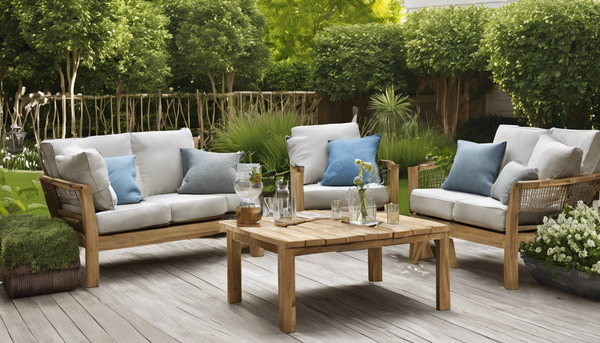
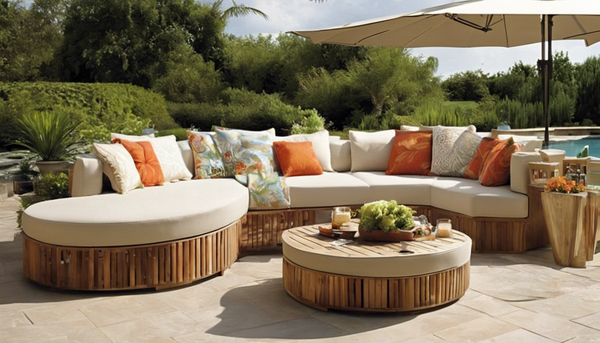
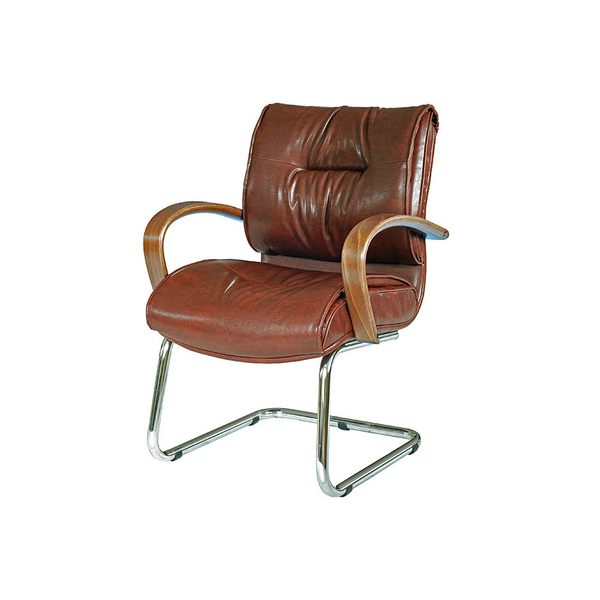
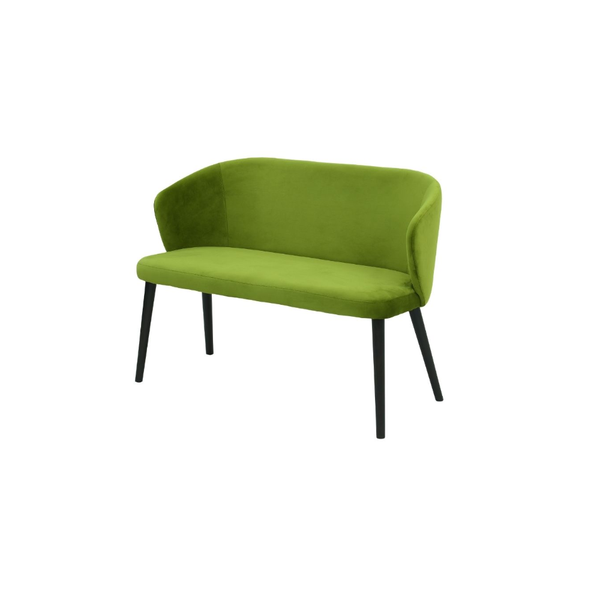
Balcony furniture needs a weatherproof frame and a cover that dries quickly after rain. A cantilever chair gives slightly when you sit and is also suitable for longer evenings. A chair without armrests fits at narrow tables and can often be pushed under the top. On larger balconies and roof terraces, a bench offers seating for two or three people (indicative) without the need for additional chairs. Read more about material, dimensions and care in the guide Patio furniture.
| Furniture | Advantage on the balcony | What to look out for |
|---|---|---|
| Cantilever chair | Comfortable, light, looks airy | Stable on uneven floors |
| Chair without armrests | Narrow, fits under small tables | Seat height 45–48 cm to match the table |
| Bench | More seats in less space, no space needed behind the seat | Depth max. 50 cm on narrow balconies |
| Folding table / wall-mounted table | Disappears when not needed | Check load capacity and fixing |
| Stool | Seat and surface in one | Stackable or light |
| Lounge chair | Cosy for reading | Depth often over 70 cm, only for large balconies |


Materials compared
Which material suits best depends on whether the balcony is covered, how much sun it gets and how much care you want to invest.
| Material | Advantages | Disadvantages | Care |
|---|---|---|---|
| Powder-coated steel | Stable, wind-resistant, elegant | Heavier; scratches should be touched up | Wipe; close scratches with a touch-up pen |
| Aluminium | Light, rust-free | Can slide in the wind | Hardly any care |
| Teak / acacia | Warm, natural | Turns grey without oil | Oil once or twice a year |
| Polyrattan | Weatherproof, light | Cheap quality becomes brittle | Rinse with water |
| Outdoor fabric | Soft, dries quickly, UV-resistant | Needs a cover in winter | Brush; if necessary use mild soapy water |
| Plastic | Inexpensive | Quickly looks cheap, fades | Wipe clean |


Example layouts for small, narrow and large balconies
| Balcony | Area | Furniture | Addition |
|---|---|---|---|
| Mini balcony | 2–3 m² | Folding table on the wall, 1–2 narrow chairs | Hanging boxes, fairy lights |
| Narrow balcony | 4–5 m², less than 1.20 m deep | Bench lengthways against the wall, narrow table | Vertical garden on the side wall |
| Square balcony | 5–7 m² | Round table Ø 70–80 cm, two to three chairs | Potted plant in the corner, outdoor rug |
| Large balcony | 8–12 m² | Dining area with bench and chairs plus a small lounge corner | Parasol, two light sources |
| Roof terrace | from 12 m² | Dining set for 4–6 people (indicative), armchair, lounger | Windbreak, planters as room dividers |
For narrow balconies: place furniture lengthways rather than across. A bench against the house wall with a narrow table in front keeps the path along the railing clear. On square balconies, a round table looks calmer and has no corners to bump into.

Privacy, wind and sun
A balcony only becomes cosy when you don't feel watched. Privacy screens made of bamboo, willow or fabric can usually be attached to the railing without drilling. Tall plants such as grasses, potted bamboo or climbing plants on a trellis are the more natural solution and also filter wind and noise.
A parasol, shade sail or clamp awning braced between floor and ceiling helps against the sun. In windy conditions, make sure you have a heavy parasol base and that light furniture cannot be blown off the balcony. On higher floors in particular, heavier steel furniture is the safer choice.

Floor, light and decoration
- Floor: click-together wood or WPC tiles transform a grey concrete floor in a few hours. It is important that rainwater can drain away underneath.
- Outdoor rug: it defines the seating zone and makes the balcony homely. Choose a water-permeable material.
- Light: fairy lights on the railing, a solar lantern on the table and perhaps a battery-powered lamp for reading. Warm white at about 2,700 Kelvin feels cosiest.
- Plants: herbs in the sun, ferns and ivy in the shade, lavender and grasses for wind. Hanging boxes save floor space.
- Textiles: cushions and blankets made of outdoor fabric can stay outside; bring everything else in after use.

Storing balcony furniture correctly in winter
If you want to enjoy your furniture for a long time, plan for winter. Cushions and pads are stored dry in the cellar or in a chest. Metal frames can stay outside if they are covered with a breathable protective cover. Wooden furniture should not stand directly on wet ground. Before everything is put away, clean the furniture thoroughly and let it dry completely.

Common mistakes when designing a balcony
Furniture too large
Lounge sets with a seat depth of 80 cm look good in the catalogue but block the way on the balcony.
No main function
If you want to eat, lie down, garden and dry laundry, you won't get any of the four areas right.
Indoor furniture outdoors
Living room furniture cannot withstand the weather. It is better to choose outdoor models specifically.
Too many colours
Two to three basic colours repeated in furniture, cushions and pots look calmer.
Forgetting the light
Without light, the balcony evening ends at sunset.
Underestimating weight
Large planters with wet soil are heavy. For very large planters, clarify the load-bearing capacity beforehand.
Frequently asked questions about designing a balcony
How do I make a small balcony cosy?
Choose one main function, place a bench or two narrow chairs against the wall, hang plants on the railing and add an outdoor rug, cushions and a warm white light source.
Which balcony furniture is suitable for narrow balconies?
Chairs without armrests, cantilever chairs, narrow benches with a maximum depth of 50 cm, and folding or wall-mounted tables. Place furniture lengthways against the wall.
Which material is best for balcony furniture?
Powder-coated steel and aluminium are weatherproof and easy to care for; teak looks warm but needs oil. Quick-drying outdoor fabrics are ideal for seats.
How much space does a dining area on the balcony need?
For two people, about 1.20 × 1.40 m is enough; for four people (indicative), around 2 × 2 m including space to push back the chairs.
Can I put up a privacy screen on a rented balcony?
Usually yes, as long as there is no drilling and the appearance of the facade is not significantly changed. If in doubt, ask the property management beforehand.
Can balcony furniture stay outside in winter?
Weatherproof frames, yes, ideally under a breathable cover. Cushions and pads should be stored dry indoors.
Read more
Do you have more space outdoors? Then read our guides to Patio furniture, Garden furniture and Garden design. For the dining area indoors, the guide Buying chairs helps.

Furniture for your balcony
What to look for in frame, cover and dimensions.