
Creating a Country Garden: Ideas for a Garden in the Countryside
Creating a Country Garden: Ideas for a Rural Garden
The country garden is the epitome of outdoor comfort: lush perennial beds, fragrant roses, a vegetable garden bordered with boxwood, old fruit trees, a wooden fence, a bench under the apple tree and a long table for summer evenings with family and friends. It looks established and relaxed, but follows some clear principles.
In this guide, we show you how to create a country garden or cottage garden: the typical elements, the division into productive and ornamental areas, suitable plants, materials, fences and paths, as well as seating areas and furniture in a rustic style. General planning basics can be found in our guide Garden Design Ideas.
The Essentials at a Glance
- Order and abundance: A clear basic structure with a path crossing and bed borders, filled with lush planting.
- Utility and beauty: Vegetables, herbs, fruit and flowers grow side by side.
- Natural materials: Wood, natural stone, clinker, gravel, willow.
- Robust, traditional varieties: Peonies, phlox, delphinium, hollyhocks, marigolds.
- Seating areas under trees: A bench by the fruit tree, a long table for guests.
- A touch of wilderness: A wildflower meadow and deadwood for insects and birds.

Typical Elements of a Country Garden
Path crossing
Two intersecting paths divide the classic cottage garden into four beds, with a rose arch, fountain or sphere in the center.
Bed borders
Low hedges made of boxwood alternatives such as Ilex crenata or yew, lavender or wooden boards keep the abundance in shape.
Fruit trees
Apple, pear, plum or cherry trees provide shade, blossoms and fruit.
Rose arches and pergolas
Covered with climbing roses, clematis or vines.
Wooden fence
A picket fence or slatted fence in natural or white.
Seating areas
Bench by the tree, long table in the shade, summerhouse.
Division: Productive Garden and Ornamental Garden
A garden in the country usually has more space than a city garden, which makes a clear division possible. A tried-and-tested approach is an area close to the house with a terrace, herbs and flowers, a productive garden with vegetable and raised beds in a sunny spot, an orchard meadow that is only mown two or three times a year, as well as a quiet corner with a bench. Hedges or fences separate the areas, while paths connect them.
| Area | Location | Contents |
|---|---|---|
| House garden | Directly by the house | Terrace, herbs, roses, container plants |
| Cottage garden / Vegetables | Sunny, sheltered from the wind | Vegetables, cut flowers, herbs, path crossing |
| Orchard meadow | Further away from the house | Fruit trees, meadow, beehive |
| Resting area | Partial shade, with a view | Bench, summerhouse, hammock |
| Utility area | Hidden | Compost, wood storage, tool shed |

Plants for the Country Garden
Typical are robust, often familiar plants that once grew in Grandma's garden. They are long-lived, bloom profusely and attract insects. Combine tall perennials in the background with medium-height and low plants in the front, place annual summer flowers in gaps and allow self-sowing: snapdragons, foxgloves and poppies will find their place on their own.
| Plant | Flowering period | Height | Special feature |
|---|---|---|---|
| Peony | May–June | 60–100 cm | Long-lived, fragrant |
| Delphinium | June–July | 120–180 cm | Blue, background perennial |
| Phlox | July–September | 80–120 cm | Fragrant, many colors |
| Hollyhock | July–September | 150–250 cm | Classic by the fence |
| Geranium | June–July | 30–40 cm | Bed border, ground cover |
| Catmint | May–September | 30–50 cm | Long-lasting bloom, bees |
| Marigold | June–October | 40–60 cm | Annual, medicinal plant |
| Climbing rose | June–July, partially remontant | 200–400 cm | For arches and walls |

Materials, Paths and Fences
Natural, aged materials dominate the country garden. Paths made of gravel, bark mulch, clinker or old natural stone slabs fit better than smooth concrete slabs. Bed borders made of wood, willow, or laid bricks provide structure. A chestnut wood picket fence, a white-painted slatted fence or a dry stone wall frames the garden. Living fences made of willow rods or a mixed flowering hedge of lilac, elderberry and wild roses are a particularly natural option.
| Element | Material | Effect |
|---|---|---|
| Main path | Clinker or natural stone paving | Durable, classic |
| Side path | Gravel, bark mulch, stepping stones | Natural, affordable |
| Bed border | Wood, willow, brick, low hedge | Order in abundance |
| Fence | Pickets, slats, dry stone wall | Rustic frame |

Seating Areas and Furniture in a Rustic Style
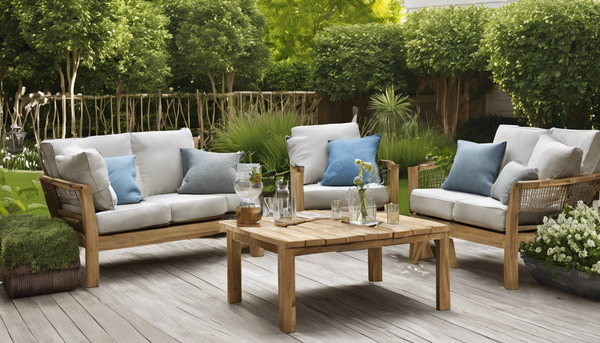
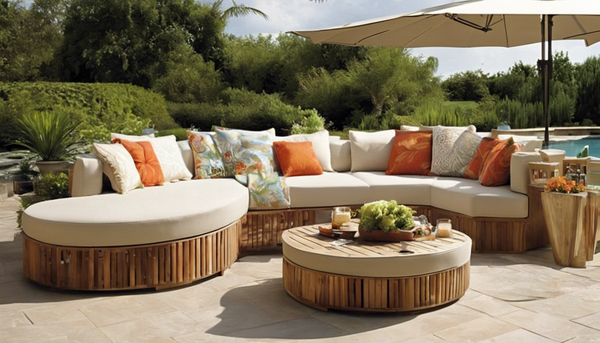
A country garden includes a place to sit and look around. A bench under the apple tree, a long table under the summerhouse or in the shade of the barn where you eat in summer, and a few chairs that you can carry to wherever the sun is shining. Choose furniture that looks natural and can withstand the weather.
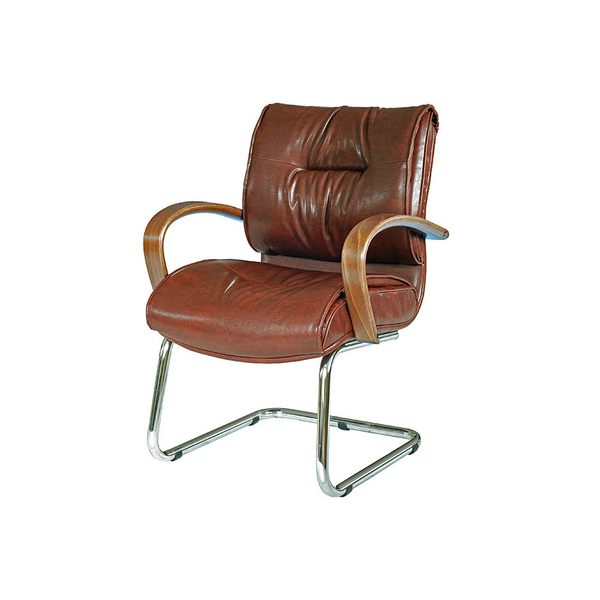
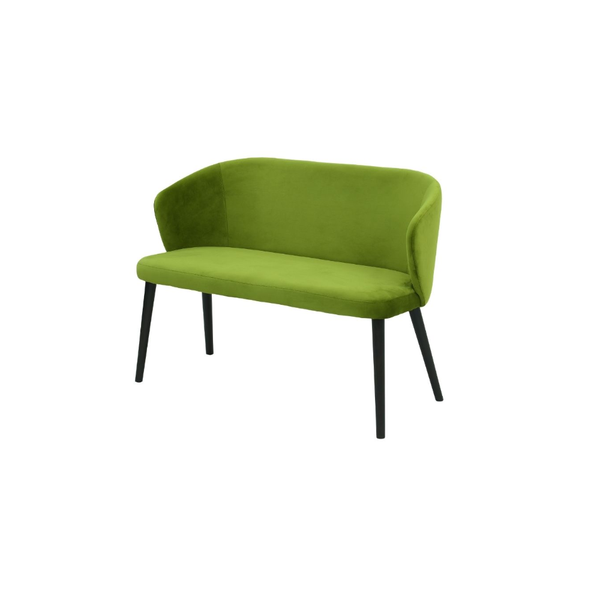
A bench with weather-resistant upholstery fits well at the garden table or under the fruit tree. Cantilever chairs and armless chairs are easy to move and complement a long table for guests. A solid wooden table is also suitable for dining on the terrace, complemented by weather-resistant chairs. Read more about materials and size in our guide Buying garden furniture.
A Touch of Wilderness
A garden in the country can grow wild at the edges. A wildflower meadow instead of lawn under the fruit trees, a pile of wood for hedgehogs and insects, a dry stone wall for lizards and a pond for frogs and dragonflies make the garden lively. Mow paths through the meadow, then it will look cared for and remain accessible.

Herbs, Vegetables and Cut Flowers
At the heart of the country garden lies the cottage garden. Traditionally, vegetables, herbs and flowers grow here in a colorful mix: marigolds and tagetes between lettuce and cabbage keep pests away, nasturtium climbs the fence, and dill and borage attract beneficial insects. Raised beds made of larch wood make the work easier, while paths made of bark mulch or wood chips keep your feet dry. Plan a separate row for cut flowers such as zinnias, cosmos, dahlias and sunflowers. This way, there will always be a bouquet on the garden table from summer to autumn.
| Category | Examples | Tip |
|---|---|---|
| Herbs | Chives, parsley, sage, thyme, lovage | Plant near the kitchen |
| Vegetables | Lettuce, beans, zucchini, tomatoes, cabbage | Consider crop rotation |
| Cut flowers | Zinnias, cosmos, dahlias, sunflowers | Regular cutting promotes blooming |
| Companion planting partners | Marigolds, tagetes, nasturtium | Keep pests away |
The Long Table: Garden Parties
Hardly any image embodies country life as much as a long, set table under trees. It is the meeting place for family celebrations, harvest festivals and summer evenings with friends. Place it in the partial shade of a large tree or under a summerhouse, so that it is easily accessible from the kitchen. A string of lights in the branches, lanterns on the table, flowers from your own garden in simple glasses and linen tablecloths complete the look. Benches along the long sides offer more space for people than chairs and create a sociable atmosphere, while chairs at the ends provide support.

Light in the Country Garden
In the country, it is darker at night than in the city, and that is precisely what makes it so appealing. Therefore, use lighting sparingly: lanterns along the path, a lamp above the entrance, lanterns on the table and perhaps a spotlight that illuminates the old fruit tree. Warm white, downward-facing light disturbs insects and neighbors the least and keeps the starry sky visible.

Country-Style Garden on a Small Scale
The country style can be achieved even without a courtyard and orchard. In a terraced house garden, a small gravel path crossing with four beds bordered by low lavender is enough. A cordon apple tree along the house wall replaces the fruit tree, while a rose arch over the garden gate provides the typical frame. Herbs in zinc troughs and terracotta pots, a wooden fence with hollyhocks, and a bench with cushions are enough to bring the charm of country life to the city. It is important to focus on a few typical elements and plant them abundantly.

Rainwater and Compost
A country garden thrives on a closed-loop system. A rain barrel or cistern connected to the downpipe provides soft watering water, while a compost pile transforms green waste and kitchen scraps into valuable soil. Mulch made from grass clippings or straw keeps the soil moist and suppresses weeds. This keeps the garden green even in dry summers.
Year-Round Care
| Month | Tasks |
|---|---|
| February–March | Prune fruit trees, prepare beds, spread compost |
| April–May | Sow and plant vegetables, divide perennials, fertilize roses |
| June–August | Water, harvest, cut back spent flowers, mow the meadow |
| September–October | Plant bulbs, harvest fruit, plant perennials |
| November–January | Plan, store furniture and cushions, maintain tools |

Common Mistakes
No Basic Structure
Without paths and borders, abundance looks chaotic.
Materials That Are Too Modern
Smooth concrete and stainless steel do not fit the rustic character.
No Shade
A seating area without a tree or arbor will remain empty in summer.
Too Maintenance-Intensive
Many annuals and lawns are time-consuming.
Frequently Asked Questions About Country-Style Gardens
What defines a country-style garden?
A clear structure with paths and borders, lush perennials, roses, fruit trees, natural materials, and cozy seating areas.
What is the difference between a kitchen garden and a country-style garden?
The kitchen garden is the productive garden with a path crossing, vegetables, and herbs; the country-style garden is the overall garden in a rustic style, which often includes the kitchen garden.
Which plants are suitable for a country-style garden?
Peonies, delphiniums, phlox, hollyhocks, comfrey, catmint, roses, and herbs.
Which fence suits a country-style garden?
A picket fence, wooden slat fence, dry stone wall, or hedge.
Which garden furniture suits the country style?
Natural-looking, weather-resistant benches and chairs, combined with a wooden table, linen cushions, and lanterns.
How can a country-style garden be low-maintenance?
With perennials instead of annuals, mulch, a meadow instead of a lawn, and robust, site-appropriate plants.
Furniture for the Country Garden
Tips on materials, dimensions, and care for outdoor seating areas.