











Based on 445 reviews
98%
(437)
2%
(8)
0%
(0)
0%
(0)
0%
(0)

Cantilever chairs
Cantilever chairs for the dining table, living room and office. The frame gives slightly when you sit. You choose the upholstery in velvet, fabric or genuine leather.
Seat height 51 cm, overall height 85 cm, frame: metal or wood (selectable)
Overall height 83 cm, frame: wood
Seat height 51 cm, overall height 85 cm, frame: metal or wood (selectable)
A chair without back legs. The frame gives slightly when you sit down and lean back.
The seat and backrest are carried by a bent frame, usually made of metal or steel.
This construction allows the seat to give slightly when you sit down. That is why cantilever chairs are also known as sprung chairs.
They are most often used as dining chairs, but depending on the model they can also work in the living area, office or meeting room.
Cantilever chairs are comfortable during long meals. Some models are also available with armrests.
| Model | Frame | Seat height | Overall height |
|---|---|---|---|
| FLEET SHANGHAI | Metal or wood (selectable) | 51 cm | 85 cm |
| GUSE | Wood | k. A. | 83 cm |
| BADSAAL | Metal or wood (selectable) | 51 cm | 85 cm |
| FLOR | Metal (black) | k. A. | 80 cm |
Upholstery, armrests and frame clearly change the comfort and effect of a cantilever chair.
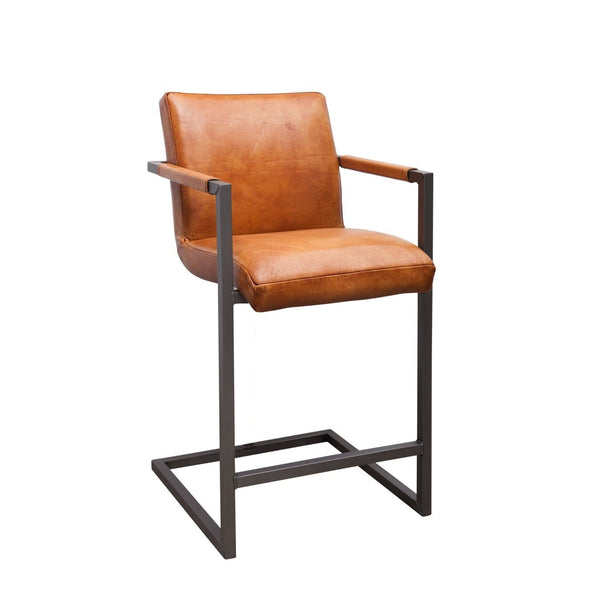
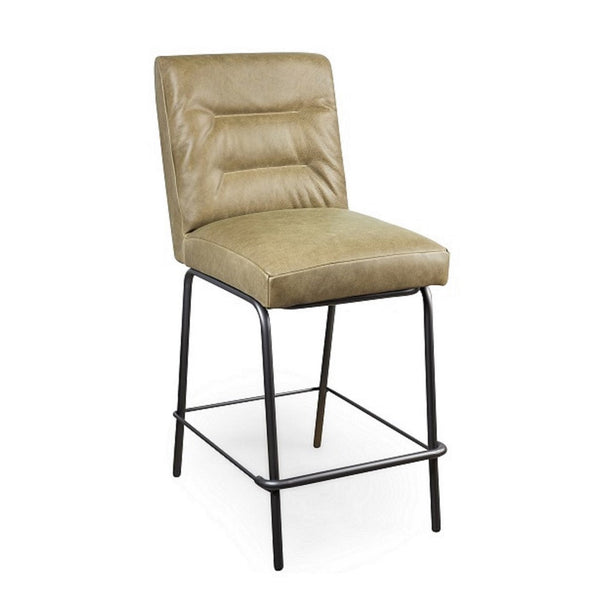
Leather creates a striking contrast to the slim metal frame and suits modern and classic dining areas alike.
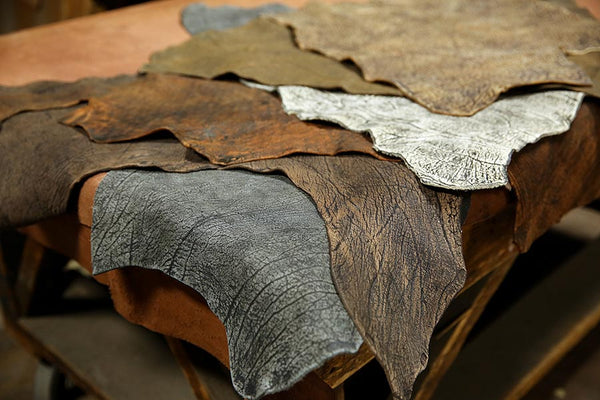
Buffalo leather brings a natural, characterful structure to the pared-back construction and can develop an individual patina with use.
Fabric upholstery looks softer and more homely and allows different colours and textures.
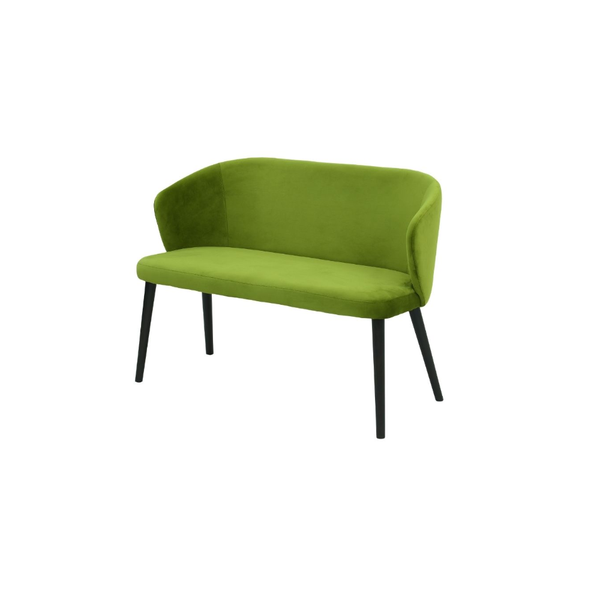
Velvet combines the clean construction of the cantilever chair with a particularly soft surface and visual depth.
Armrests offer additional support and give the chair more presence. They are particularly suitable for more generous dining areas. You will find a dedicated selection with armrests among the dining armchairs.
Models without armrests need less lateral space and are easier to arrange in numbers around a dining table.
The frame is the defining structural element of a cantilever chair. Many models combine a metal or steel frame with a padded seat and back.
Around a dining table, cantilever chairs look particularly calm because their frames form a recurring clean line.
Combine cantilever chairs with a wooden dining table, for example, to create a warm material contrast. A table with metal elements, by contrast, can deliberately echo the construction of the chairs.
Besides design, seat height, chair width and the distance between the individual seats should be taken into account.
With a cantilever chair, the seat is not supported by classic back legs. Instead, the bent frame carries the seat and backrest.
Depending on construction and material, the frame can therefore give slightly when you sit down. This springy behaviour is one of the characteristic features of the cantilever principle.
The development of the cantilever chair is closely linked to the furniture design of the 1920s. In 1926 the Dutch architect Mart Stam presented a chair without classic back legs, which became an important starting point for the further development of this design idea.
Later, the principle was developed further by other designers. To this day, the cantilevered construction is one of the best-known forms of modern chair design.
In the furniture trade, the terms cantilever chair and sprung chair are often used for the same basic chair construction: a chair without classic back legs with a cantilevered frame.
"Cantilever" describes the construction more, while "sprung chair" highlights the slightly springy sitting behaviour.
At derStuhl you will find cantilever chairs in leather, buffalo leather, fabric and velvet for dining and living areas.
Compare available upholstery materials, dimensions, armrests and frame versions directly on the respective model.
You choose the upholstery in velvet, fabric or genuine leather.
What matters is a suitable seat height, enough space between the chairs and coordination with the dining table.
Cantilever chairs are available both with and without armrests. Models with armrests need a little more lateral space and should be matched to the table height.