


















Based on 445 reviews
98%
(437)
2%
(8)
0%
(0)
0%
(0)
0%
(0)

Ergonomic chairs
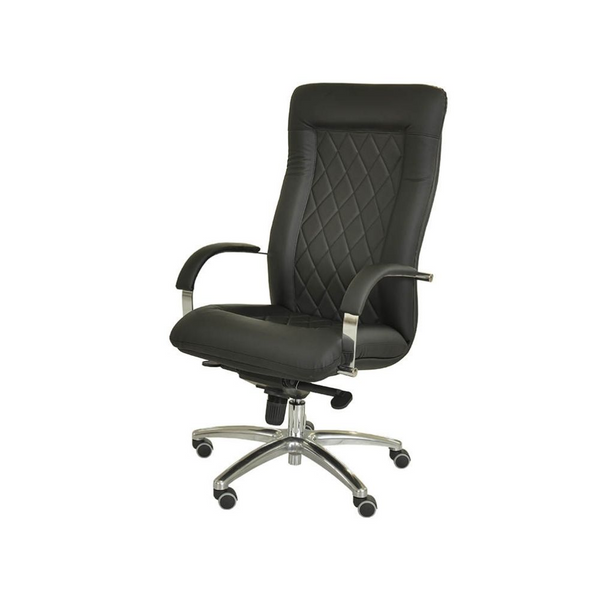
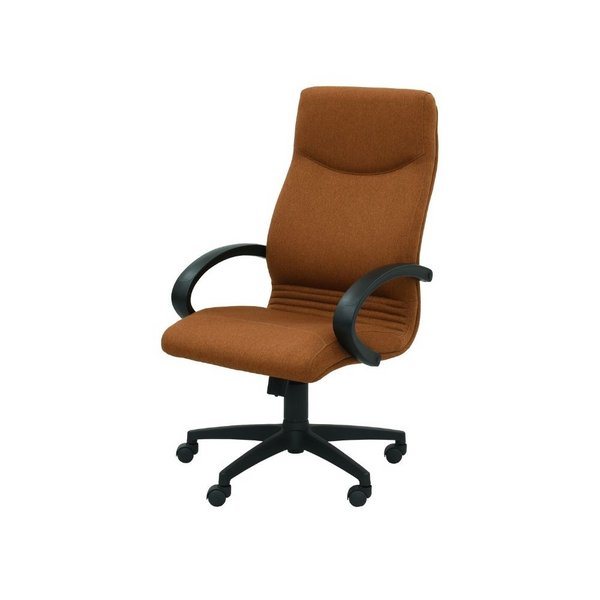
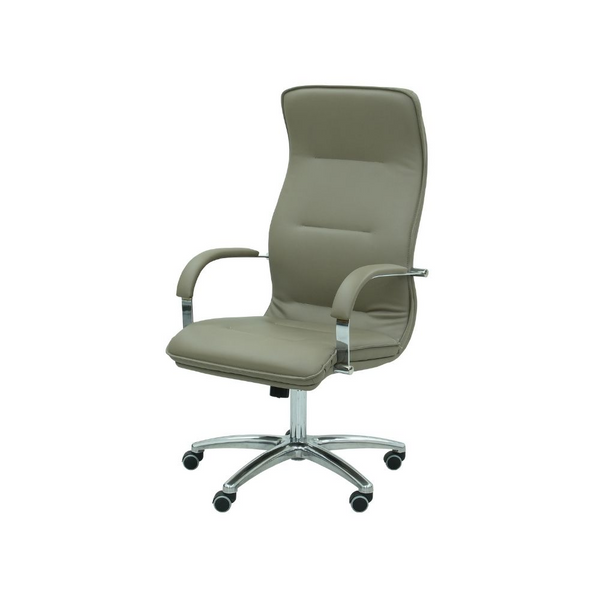
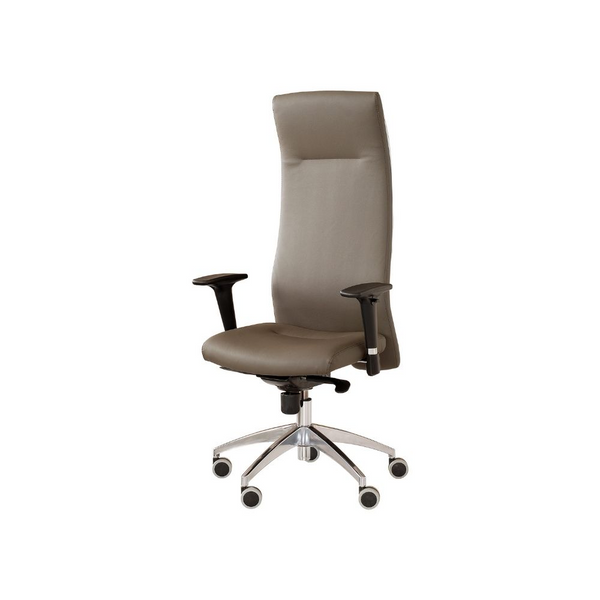
Ergonomic office chairs with castors for the office and home office, plus matching visitor and conference chairs for practices and meeting rooms. Many models are available as a series in both variants.
Details on the product page
Details on the product page
Details on the product page
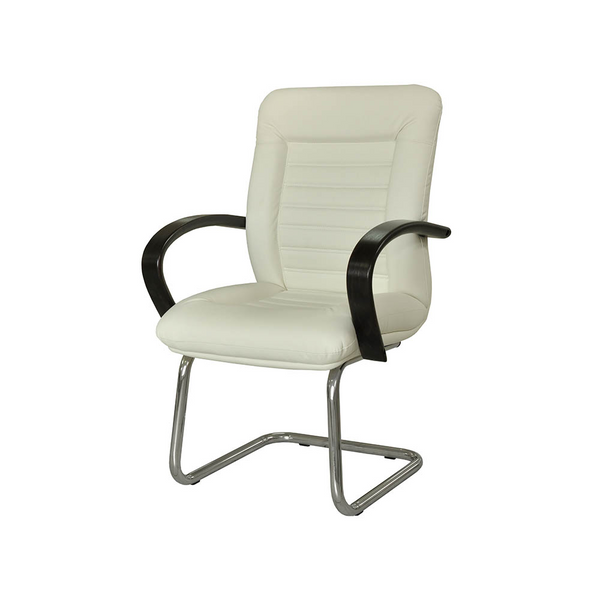
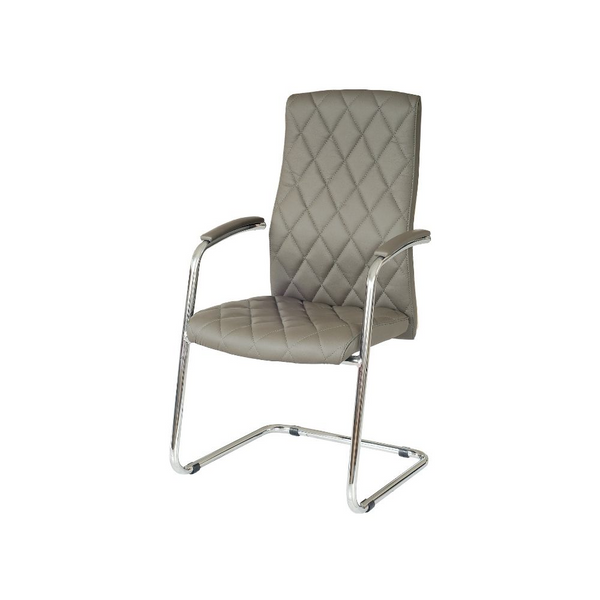
Many visitor chairs belong to an office chair series and have the same design.
An ergonomic chair is an office or visitor chair whose shape and equipment are designed for comfortable sitting at the workplace.
Ergonomic office chairs add adjustment options to this concept, such as seat height adjustment, tilt mechanism, lumbar support or adjustable armrests, depending on the respective model.
Many series are available in both variants with the same design. The difference lies mainly in use and equipment.
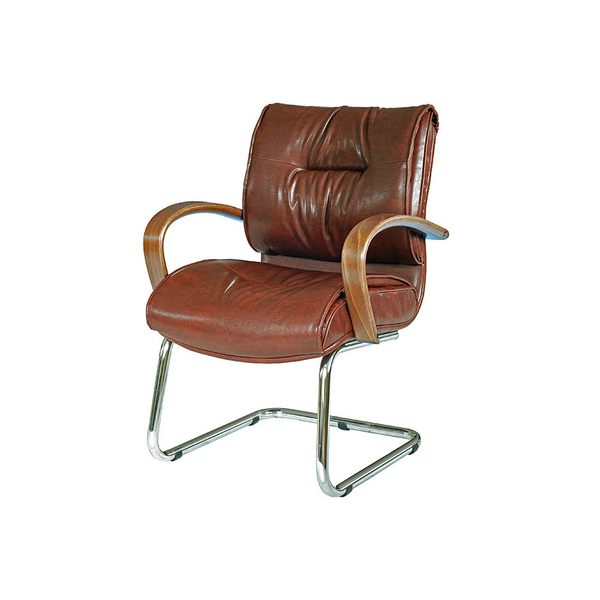
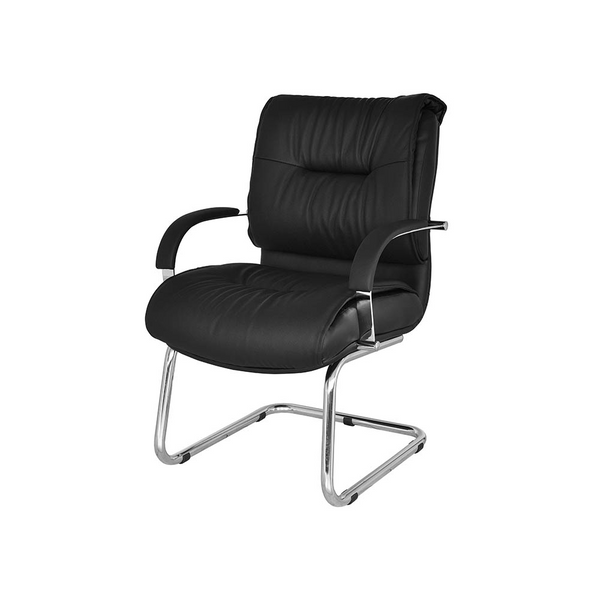
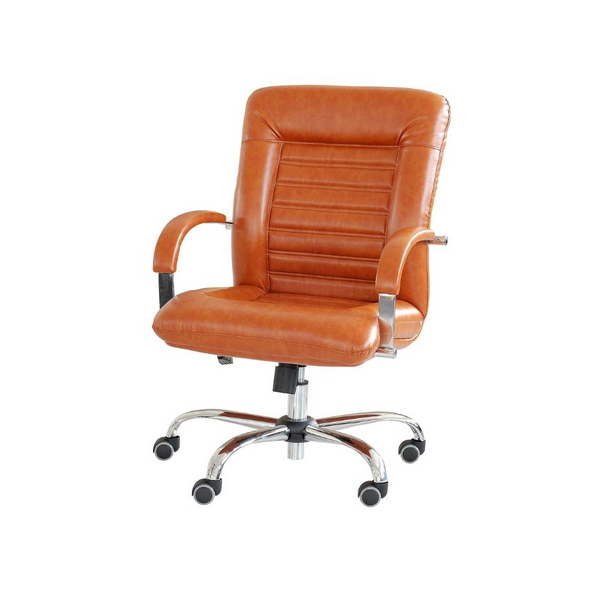
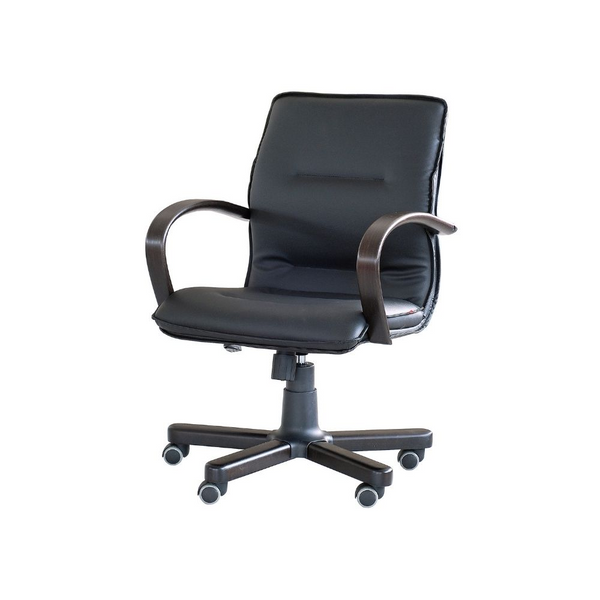
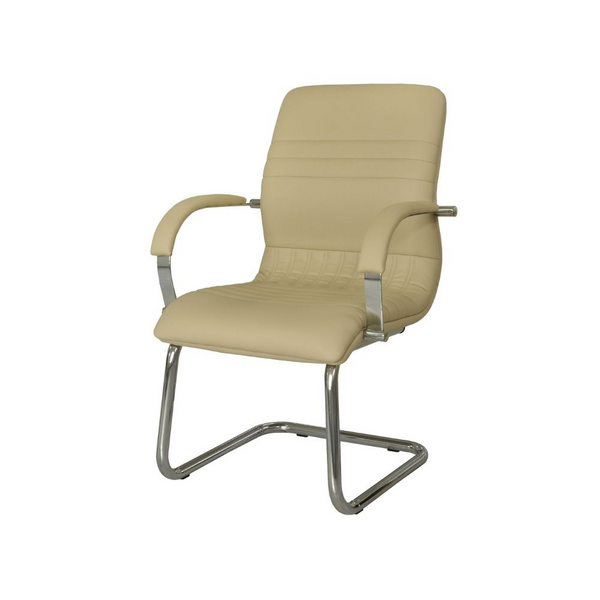
An office chair is intended for working at a desk, has castors and is height-adjustable. A visitor chair is intended for guests, meetings and conferences and usually stands without castors, depending on the model on skids or as a cantilever, for example.
What matters, however, is not the name but whether the dimensions and functions suit the user and workplace.
An ergonomic chair does not have to look technical. Its design can be part of the interior.
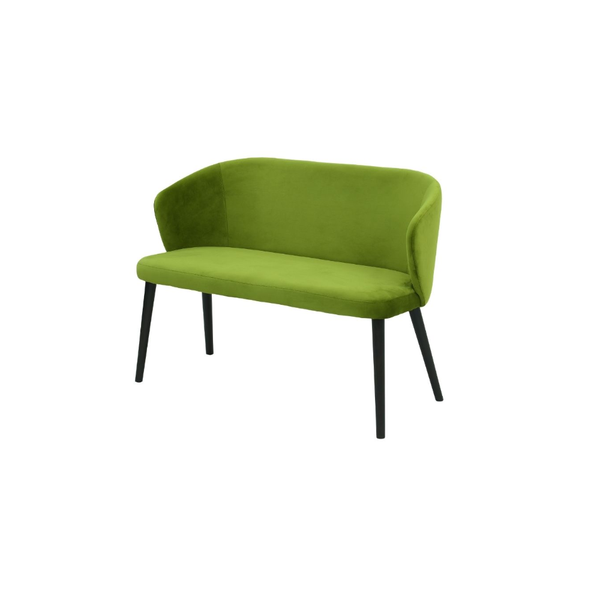
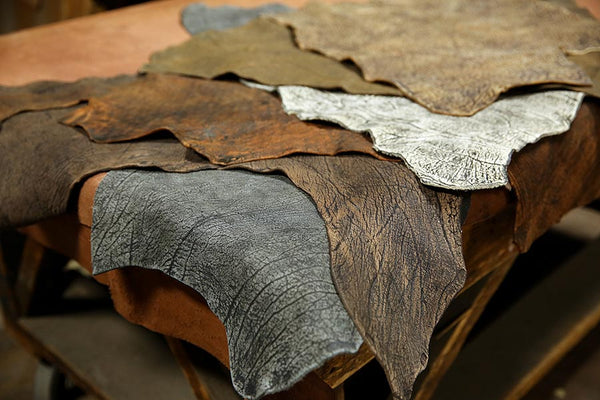
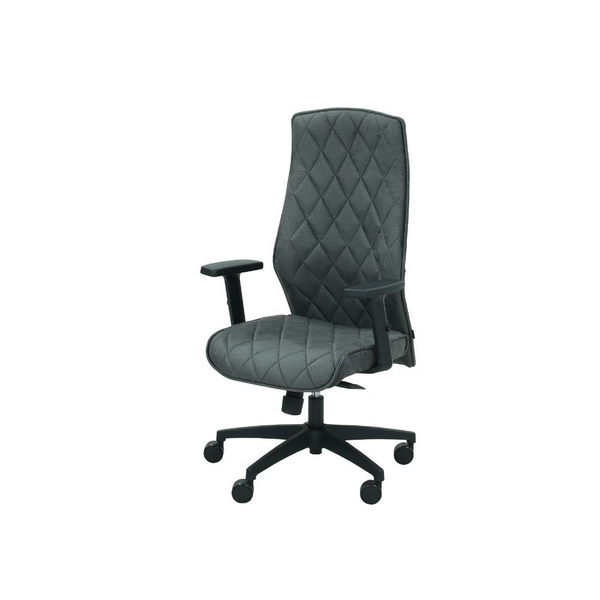
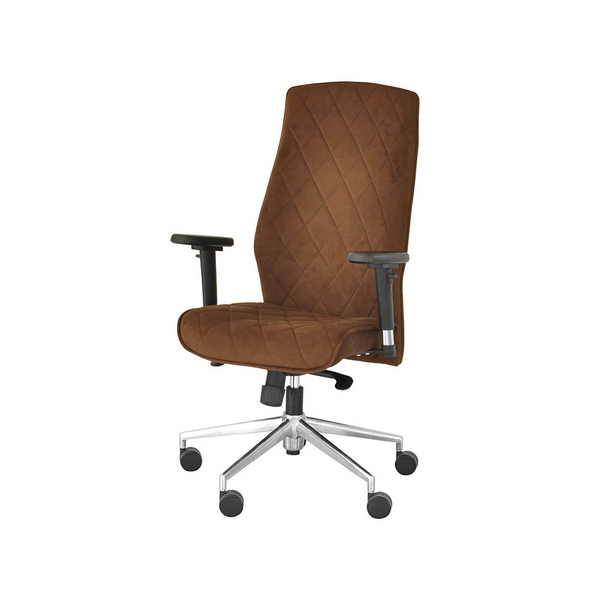
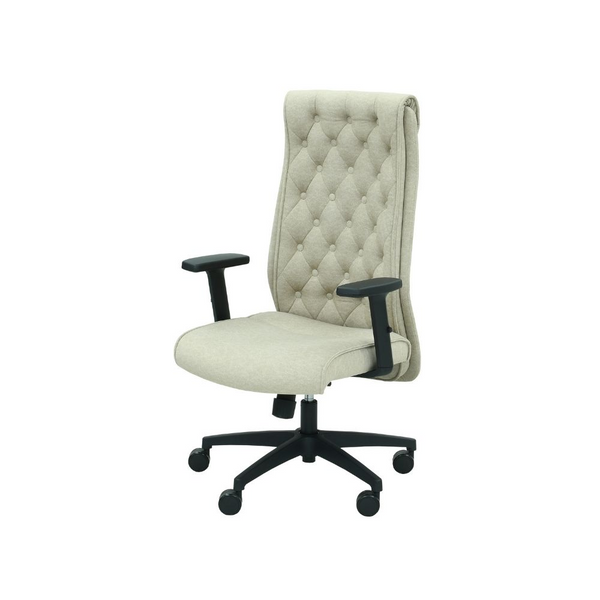
A high backrest creates presence. Leather looks classic and high quality. Fabric can make the chair more homely. Metal and chrome elements add precise accents.
Good design arises when these elements do not work against each other.
The equipment differs by model. Functions that allow adaptation to the body and workplace are particularly relevant.
An adjustable seat height allows the basic adjustment to body height and desk height.
Depending on the model, armrests can be adjusted in height or in other directions.
Movement and locking mechanisms allow different backrest positions and can support more dynamic sitting.
Lumbar support is located in the lower area of the backrest and can be designed differently depending on the construction.
On selected office chairs, a headrest extends the backrest upwards and offers an additional support surface.
On suitably equipped models, the usable seat depth can be better matched to different body proportions.
The seat height influences the position of the legs, arms and upper body at the workplace.
A height-adjustable office chair can be better adapted to the desk and body height than a model with a completely fixed seat height.
The available adjustment ranges should be checked directly on the respective product.
On suitably equipped office chairs, a multi-lock mechanism allows several locking positions of the backrest or tilt function.
At derStuhl, models such as BIG STAR and ALEX are described with a multi-lock system, for example.
However, the number of positions and operation can differ depending on the chair model.
Lumbar support refers to the support in the lower area of the backrest.
Depending on the model, it can be permanently integrated or adjustable.
That is why you should check not only whether lumbar support is present, but also how it is constructed and adjusted.
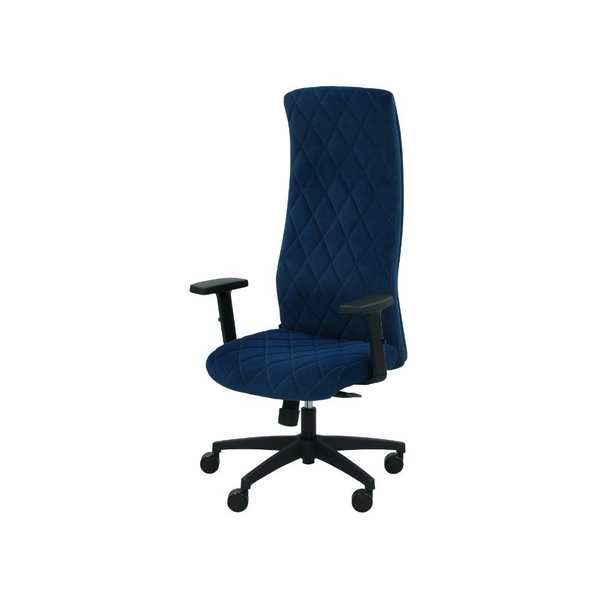
A high backrest visually distinguishes many models clearly from more compact office chairs.
It offers a larger contact area for the back and, depending on the construction, can also include the shoulder or head areas.
Backrest shape, height and adaptability to the respective person remain decisive.
The choice of upholstery influences the feel, look and overall effect of the chair.
Several current derStuhl office chair models can be configured with velvet, fabric or genuine leather. With OMEGA, for example, these three upholstery categories are offered directly.
Frames can also be designed differently depending on the model, for example in plastic, chrome metal or with wooden elements.
Armrests should suit the sitting position and the height of the work surface.
Depending on the model, there are fixed armrests or adjustable variants. BIG STAR, for example, is offered with different armrest options, including a height-adjustable 3D variant.
The specific equipment should therefore always be checked on the desired model.
Yes, provided size, function and design suit the room.
In a study in particular, a larger, upholstered chair can feel pleasant. In a small living area, on the other hand, consider how much space the backrest, armrests and castor base need.
Before buying, it is therefore worth looking at overall width, overall depth and the space needed to move.
In the office, an ergonomic chair often takes on a design role alongside its functional one. Matching visitor chairs from the same series create a uniform look at the desk and in the meeting room.
Materials, backrest height and frame determine whether the chair looks classic, modern, technical or homely.
Nevertheless, the right adjustment to the actual workplace remains particularly important.
A large office chair only works properly if it can be positioned close enough to the work surface.
Armrests, seat height and the underside of the desk should therefore be considered together.
You will find suitable work surfaces in our office desk collection.
The right size depends on body height, seat width, backrest height and available space.
As an example, OMEGA is listed with an overall height of 116–130 cm and a seat height of 48–62 cm. However, the actual values differ considerably between models.
That is why product dimensions should not be replaced by a general category recommendation.
The manufacturer's technical specifications are among the properties of an office chair and should be taken into account when buying.
For OMEGA and several other models, you will find the technical specifications on the product page.
For the desired chair, the specific product specification is always decisive.
For several ergonomic derStuhl chairs, upholstery material and colour can be selected.
OMEGA and ALEX, for example, are offered as made-to-order products for which material and colour options can be chosen.
Which customisation is actually available depends on the respective model.
Office chair is the umbrella term for chairs at the workplace.
Ergonomic office chair emphasises the adjustment and movement functions of the chair.
Visitor chair describes a chair for guests, meetings and conferences, often in the design of the matching office chair series.
Many series are therefore available as an ergonomic office chair and as a visitor chair.
At derStuhl you will find ergonomic office chairs and visitor chairs with different upholstery materials, height adjustments and mechanisms.
Check equipment, dimensions, materials and configuration options directly on the respective model.
According to the product details, the office chairs in this collection have castors and height adjustment. The visitor chairs (models with "V") are intended for guests and meetings and usually stand without castors, depending on the model on skids or as a cantilever, for example. The exact version is stated on the respective product page.
Yes, for most models.
An ergonomic office chair can be adapted to the user and workplace via adjustment options such as seat height, armrests or mechanism.
The office chair is intended for working at a desk and has castors and height adjustment. The visitor chair is intended for guests and meetings and usually stands without castors.
Seat height adjustment, adjustable armrests, a suitable backrest, lumbar support and a movement mechanism can make sense.
What matters most is whether its position and construction suit the respective person.
Leather creates a more classic, high-quality effect. Fabric often looks more homely and offers a different feel. The better choice depends on the room, use and personal preference.
Yes, provided dimensions, functions and space to move suit the existing workplace.
For selected ergonomic derStuhl chairs, upholstery, colour and, depending on the model, other elements can be chosen.