
















Based on 445 reviews
98%
(437)
2%
(8)
0%
(0)
0%
(0)
0%
(0)

Ergonomic Office Chairs
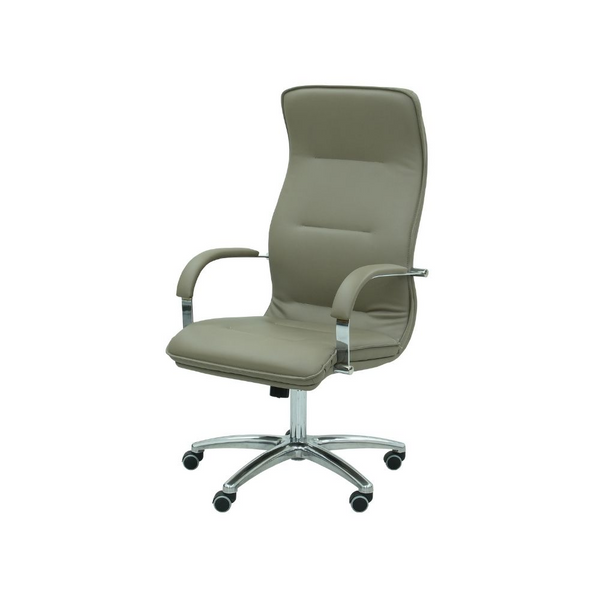
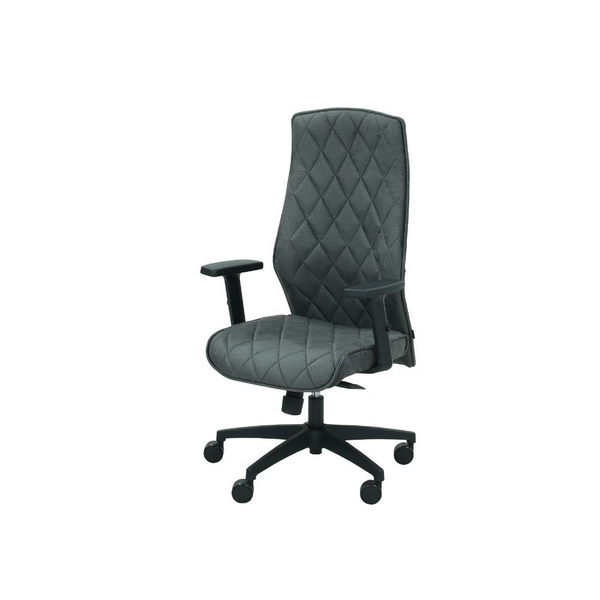
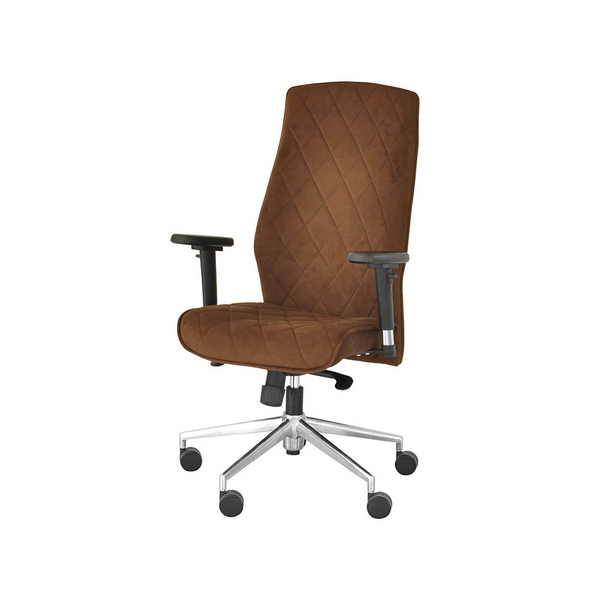
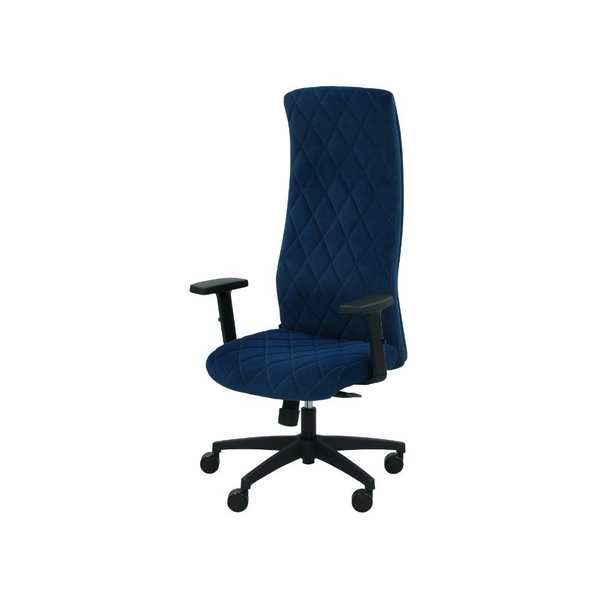
Ergonomic office chairs for long working days. Every model offers a range of adjustment options.
Details on the product page
Details on the product page
Details on the product page
It can be adjusted to suit your body and desk, for example in seat height and backrest. The adjustment options available for each model are listed on the product page.
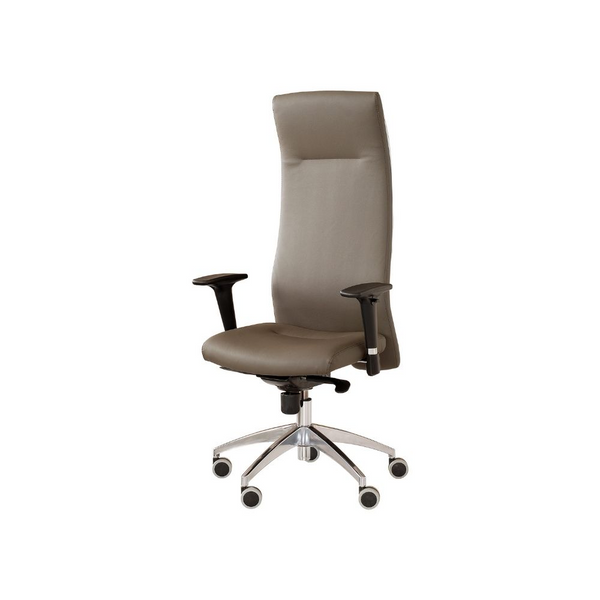
An ergonomic office chair is an office chair that can be adjusted to suit the user and their workspace through various adjustment options.
Depending on the model, this may include adjustable seat height, armrests, backrest, lumbar support, seat tilt or synchro mechanism.
Therefore, it is not just about how an office chair looks, but how well its adjustments can be tailored to your body size, desk and personal sitting habits.
Those who spend many hours at their desk rarely remain in the same sitting position for long.
An adjustable office chair can support different sitting positions and help tailor the workspace to your individual body size.
Ergonomic sitting does not mean maintaining a single, supposedly perfect posture for hours. Movement, changing positions and properly adjusting the chair and desk go hand in hand.
The most useful features depend on the user, workspace and sitting duration. The most common adjustment options include:
Seat height allows the basic adjustment of the office chair to your body size and desk height.
Adjustable armrests can be tailored to your body and workspace and provide support for your arms.
With a synchro mechanism, the seat and backrest move in a coordinated ratio, allowing for different sitting positions.
Lumbar or lower back support supports the lower back area. Depending on the model, its position or intensity may be adjustable. The support in the lower part of the backrest is referred to as lumbar support or lower back support. In ergonomic office chairs, it can be permanently integrated or, depending on the model, adjustable in height, depth or intensity. Therefore, when choosing, it is worth checking whether and how the available support can be adjusted to your back.
An adjustable backrest can help tailor the chair to your back length and preferred sitting position.
Adjustable seat tilt offers additional options for tailoring the sitting position to your activity and personal preferences.
The synchro mechanism links the movement of the backrest and seat.
When leaning back, both elements change in a structurally defined ratio. This means the chair does not have to be limited to a single fixed position.
How the mechanism is adjusted and which features are available varies depending on the model.
Armrests provide a support surface for your forearms and elbows. For them to suit the user and the desk, their adjustability is particularly relevant.
Depending on the office chair, armrests can be adjusted, for example, in height or additionally in other directions. The exact features depend on the model.
Ergonomic office chairs can be equipped with different backrests.
Mesh materials are often chosen for their airy construction. Padded backrests, on the other hand, offer a different feel and material effect.
Which option is better depends on personal preference, model design and workspace.
Even in the home office, an office chair should not be chosen solely based on its appearance.
Especially with regular use, suitable dimensions, adjustment options and coordination with the existing desk are important.
If you have limited space, you should also consider the overall width, armrests and movement space around the workspace.
In professional offices, office chairs are often used for many hours and on a regular basis.
Adjustability, mechanism, material and coordination with different workspaces therefore play an important role.
For workspaces with multiple users, flexible adjustment options are particularly practical because the chair can be readjusted repeatedly.
Adjust the chair in the following order, and it will usually fit after just a few minutes:
If you sit too high for your desk with a properly adjusted chair, a footrest will help. The adjustment options available for each model are listed on the product page.
Even a well-adjusted office chair does not replace movement.
Different sitting positions, standing up regularly and switching between different activities are part of a more active working day.
Features such as synchro mechanism and seat tilt can enable different positions, provided the respective chair model is equipped accordingly.
An office chair should not be chosen based on design or a single feature alone. The interplay of several properties is crucial.
An ergonomic office chair is a functional piece of office furniture, but also part of the interior.
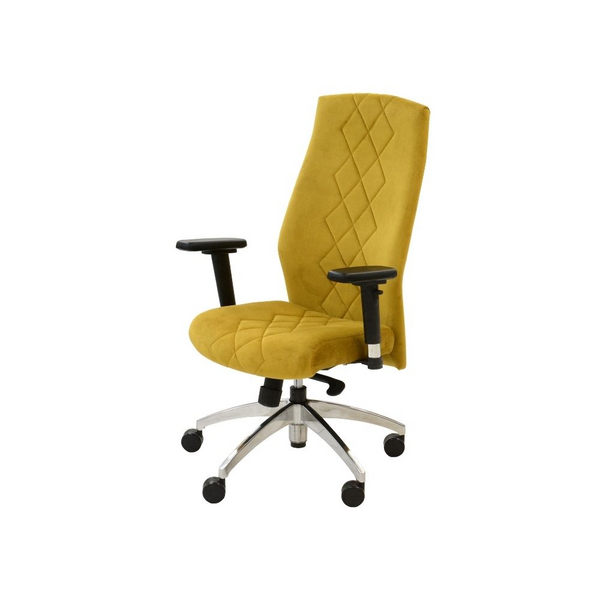
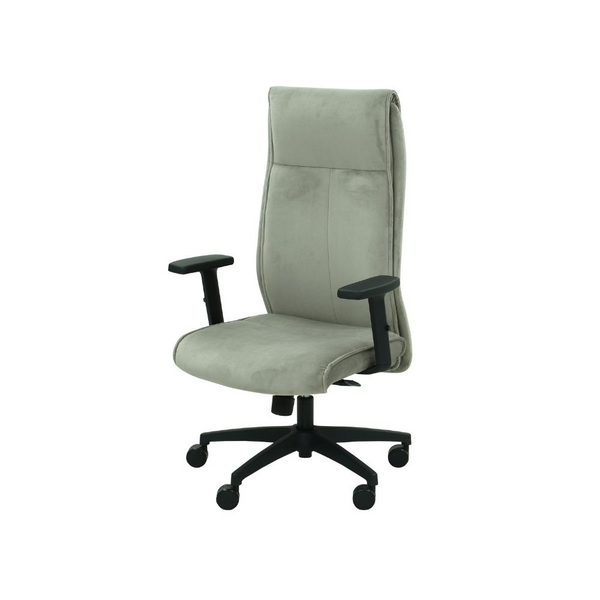
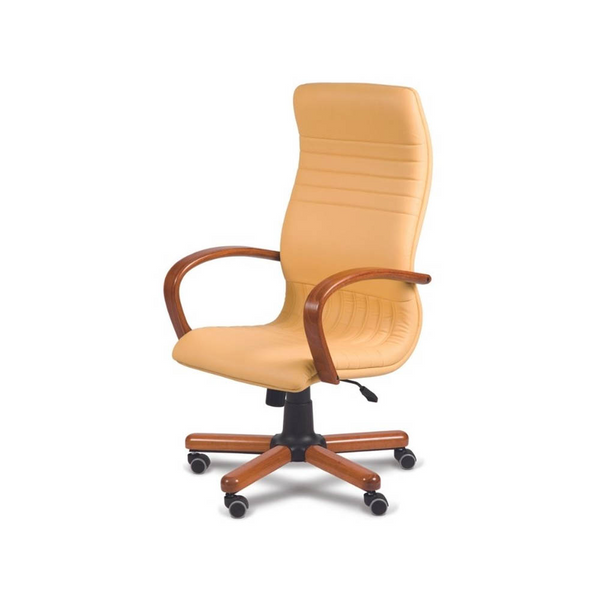
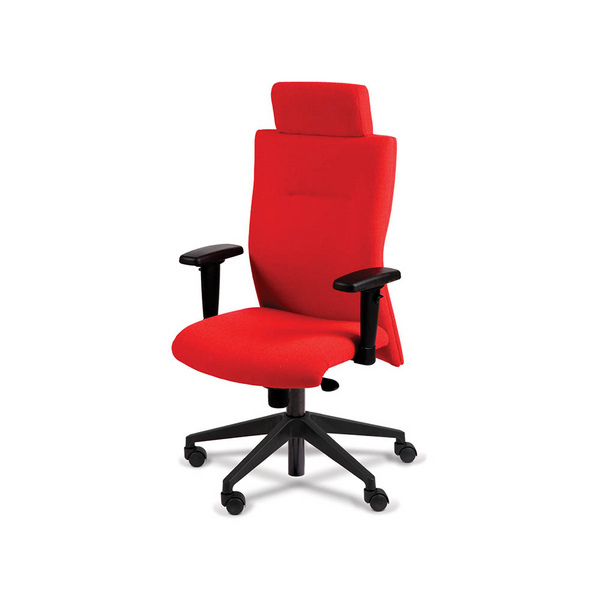
Colors, upholstery, mesh material and frame influence how prominent the chair appears in the office or home office.
Especially in open living areas, a minimalist, understated design can help connect the workspace with the interior.
Ergonomic working is created by the interplay of the chair, workspace, screen position and the individual settings of the workspace.
Therefore, combine your office chair with a suitable office desk and coordinate both pieces of furniture.
This is listed for every model.
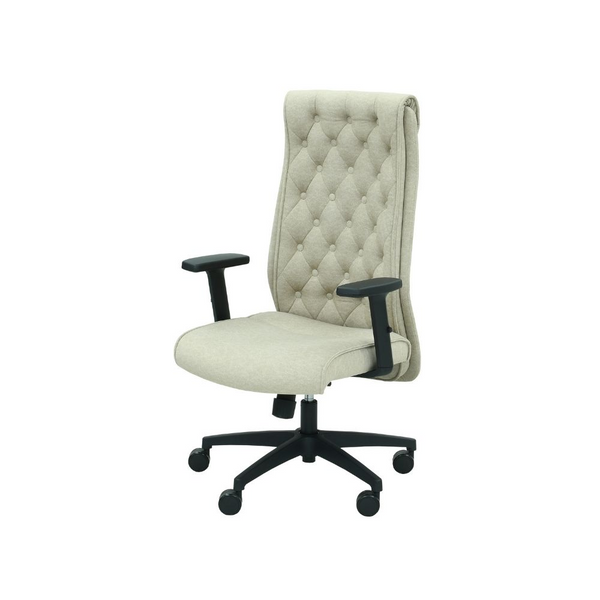
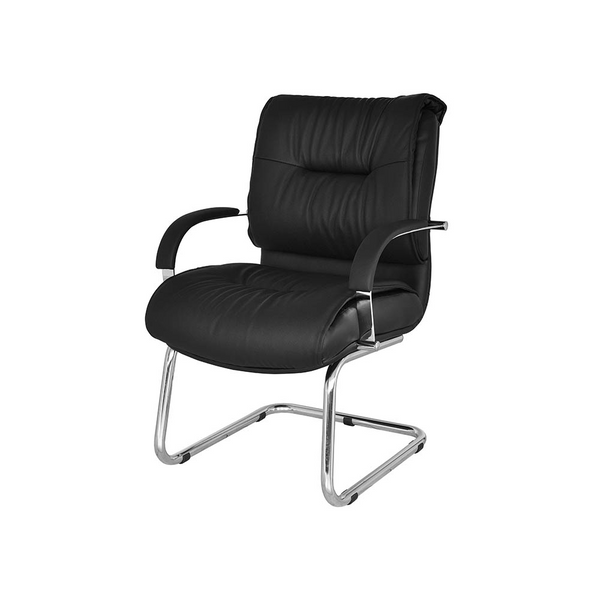
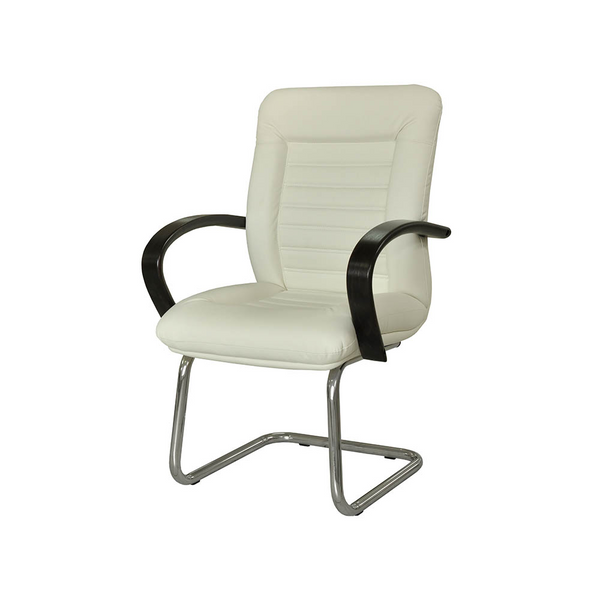
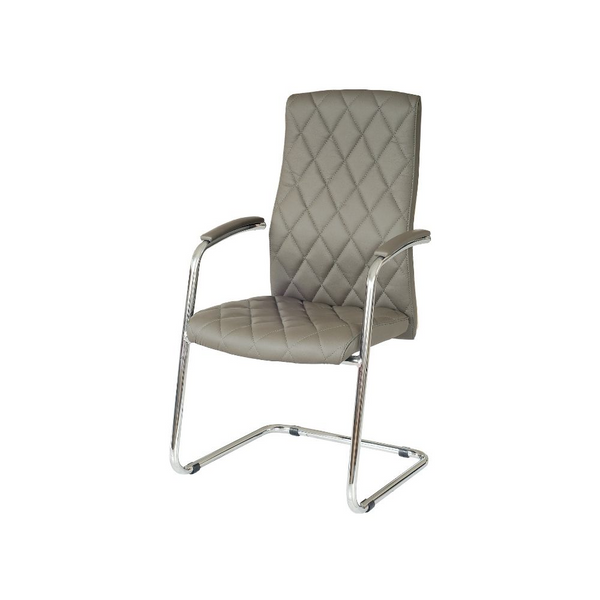
Yes, many series have a visitor chair variant (V).
A synchro mechanism links the movement of the seat and backrest in a structurally defined ratio, allowing for different sitting positions.
Adjustable armrests allow for better coordination with body size, sitting position and desk. The type and extent of adjustment vary depending on the model.
For regular work in the home office, a suitable office chair and proper adjustment of the workspace are particularly relevant.
Both options have different properties. Mesh material offers different ventilation and feel compared to a padded backrest. The choice depends on the model and personal preferences.
Seat height should be considered together with body size, workspace and the overall sitting position. Also pay attention to the adjustment range of the specific chair model.
An adjustable office chair is only one component of the workspace. Movement, changing positions and the coordination of the chair, desk and work tools also play an important role.