
Furnishing a child’s room: Ideas for every age
Furnishing a Children's Room: Ideas for Every Age, from Baby to Teenager
A children's room is a bedroom, playroom, study area, and retreat all in one—and it changes every few years. What is perfect for a baby may no longer suit a school-aged child, and a teenager will have completely different needs. When furnishing a children's room, therefore, you should plan ahead: with furniture that grows with them, clear zones, and plenty of storage space.
In this guide, we show you how to furnish a children's room according to age, how to divide it into sleeping, playing, and learning areas, which dimensions for a desk and desk chair are important, which colors are calming and stimulating, and how to keep a children's room tidy. We also include tables, checklists, and answers to frequently asked questions.
The Essentials at a Glance
- Create zones: Clearly separate sleeping, playing, learning, and storage areas.
- Furniture that grows with them: Height-adjustable desks and chairs, convertible beds.
- Ergonomics from the start of school: Seat height so that feet are flat on the floor and knees form an angle of about 90°.
- Storage at a child's height: Open compartments and boxes that children can reach themselves.
- Calming base colors: Light walls, with color added through textiles and accessories.
- Safety: Secure furniture to the wall, secure electrical outlets, use low-emission materials.

Furnishing a Children's Room According to Age
| Age | Needs | Important Furniture |
|---|---|---|
| 0–2 years | Sleeping, changing, cuddling | Baby bed, changing dresser, nursing chair, wardrobe |
| 3–5 years | Playing, moving, early creativity | Children's bed, play rug, low shelves, children's table |
| 6–10 years | Learning, playing, friends | Desk, height-adjustable chair, shelving unit, bed with storage |
| 11–14 years | Retreat, hobbies, homework | Larger desk, ergonomic chair, seating area |
| 15+ years | Privacy, learning, guests | Teenager bed, office-like workspace, armchair or pouf |
Plan ahead for the coming years, even when your child is still a baby: a changing dresser that can later be used as a regular dresser and a baby bed that can be converted into a junior bed will save you time and money.
The Four Zones of a Children's Room
Sleeping Zone
Quiet, rather dark, away from the door and desk. Bed with a headboard against a wall.
Play Zone
As much open floor space as possible with a rug, close to shelves and boxes.
Learning Zone
Desk by the window, daylight from the side, good lamp, ergonomic chair.
Storage
Wardrobe, shelves, and boxes, organized so that children can tidy up themselves.
Especially in small children's rooms, it pays to plan vertically: A loft bed creates space underneath for a desk or play area, while wall shelves make use of wall space. If two children share a room, a shelving unit can act as a room divider and give each child their own corner.

The Study Area: Desk and Desk Chair
By the time they start school at the latest, children need their own workspace. Because children grow quickly, height-adjustable furniture is the best investment. The desk should be high enough so that the forearms rest comfortably on the surface with relaxed shoulders. The chair must be adjusted so that the feet are flat on the floor, the thighs are horizontal, and the knees form an angle of about 90°. If the chair is not deep enough, a footrest will help.
| Body Height | Chair Seat Height | Desk Height |
|---|---|---|
| 110–125 cm | approx. 30–34 cm | approx. 52–58 cm |
| 125–140 cm | approx. 34–38 cm | approx. 58–64 cm |
| 140–155 cm | approx. 38–42 cm | approx. 64–70 cm |
| 155–170 cm | approx. 42–46 cm | approx. 70–74 cm |
| over 170 cm | approx. 45–50 cm | approx. 72–76 cm |
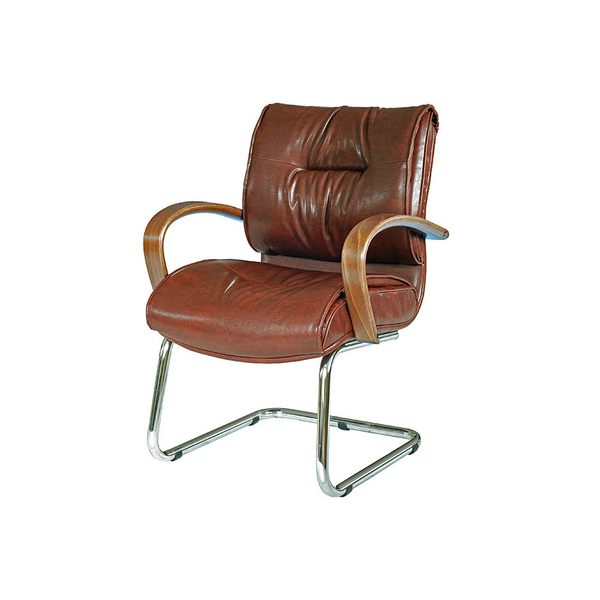
For older school-aged children and teenagers, an ergonomic office chair with a low minimum seat height, adjustable backrest, and good lumbar support is suitable. The MAGIC Office Chair (€350) and the THINK Office Chair (€380) can be adjusted to a seat height of approximately 43 cm and are therefore suitable for teenagers from a body height of about 140 cm. You can find more models in the ergonomic chairs collection. Our guide Ergonomic Chairs explains how to adjust an office chair correctly.


Lighting in the Children's Room
Ideally, the desk should be positioned so that daylight comes from the side, from the left for right-handed people and from the right for left-handed people. This prevents shadows from falling on the notebook. Supplement with a desk lamp with neutral-white light for focused work, warm light for the reading nook, and a dimmed night light for the sleeping zone. The main ceiling lighting should be glare-free and even.

Colors in the Children's Room
Children love color, but too many bold shades can be unsettling and disrupt sleep. A light, calming base color on the walls has proven effective, such as a warm white, sand, or soft sage, with color added through bedding, rugs, cushions, pictures, and toys. A single accent wall behind the bed or a half-height colored wall is a good compromise. This makes it easy to adapt the room to new favorite colors with just a few simple changes.
| Color | Effect | Use |
|---|---|---|
| Sage Green | Calming, natural | Walls, sleeping zone |
| Light Blue | Clear, calming | Walls, textiles |
| Sand / Beige | Warm, neutral | Base color |
| Yellow / Mustard | Stimulating, cheerful | Accents, play zone |
| Pink / Terracotta | Soft, warm | Accent wall, textiles |
| Red | Very stimulating | Only small accents |
Order and Storage
A children's room stays tidy when everything has a designated place and children can reach it themselves. Open shelves at a child's height, boxes with pictures instead of labels for young children, and hooks on the door help with tidying up. Toys that are not currently in use can be stored in boxes on top of the wardrobe and rotated regularly. A simple OLGA shelving unit (€1090) provides space for books and boxes and can grow with them.
- Boxes instead of drawers: Easy to fill, even for small hands.
- Pictures on boxes: Show even children who cannot yet read what belongs inside.
- Books facing forward: Children are more likely to reach for books when they can see the covers.
- Rotation principle: Only part of the toys is visible at a time, with the rest rotated out.

Safety in the Children's Room
Tall shelves and wardrobes must be secured to the wall to prevent them from tipping over if a child climbs on them. Electrical outlets need child safety covers, and window handles should be lockable. Look for low-emission materials, such as furniture with test seals, water-based paints, and textiles that meet eco-standards. Blind cords must be kept out of reach.
The Bed: Size, Space, and Options
The bed is the largest piece of furniture in a children's room and determines how much space remains for playing and learning. For toddlers, a children's bed measuring 70 x 140 cm is sufficient; from school age, a bed measuring 90 x 200 cm is recommended, as it can be used into adulthood. Beds with drawers provide additional storage for bedding or toys, while loft beds create space underneath for a desk or cozy corner. For overnight guests, a bed with a pull-out second bed is practical.
| Bed Type | Dimensions | Advantage | Suitable from |
|---|---|---|---|
| Baby bed | 60 x 120 / 70 x 140 cm | Secure, often convertible | Birth |
| Junior bed | 70 x 160 cm | Low, safe entry | approx. 2 years |
| Single bed with drawers | 90 x 200 cm | Storage, long-lasting | approx. 4 years |
| Mid-sleeper | 90 x 200 cm | Play area underneath | approx. 4 years |
| High sleeper | 90 x 200 cm | Maximum floor space | approx. 6 years |
| Bunk bed | 90 x 200 cm | Two children in a small area | top from approx. 6 years |

Seating next to the desk
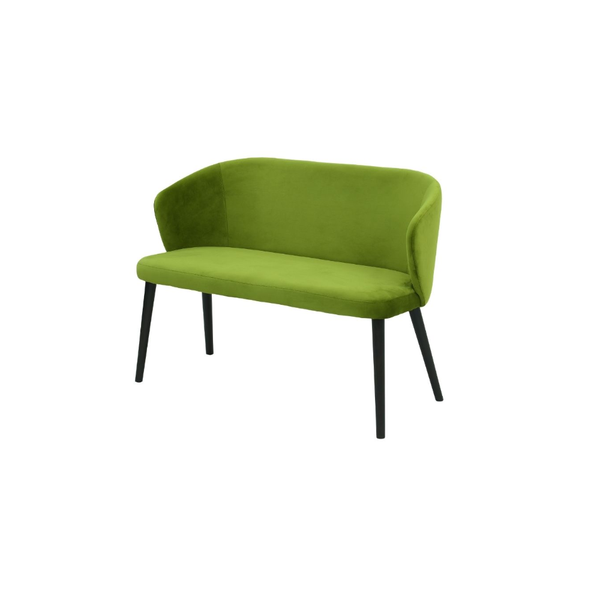
Children don't just sit at the desk. A cozy reading nook with a beanbag, floor cushion or a small armchair invites them to read and relax. For teenagers who have friends visiting, a pouf or a small bench is practical because they take up little space and can be quickly moved aside. A TOR pouf (€780) serves as a stool, shelf and additional seat at the same time. It is important that every seat is stable and does not tip over when a child climbs on it.
Let the children's room grow with them
Instead of completely redecorating every few years, it pays to choose a neutral base and only change the details. A wardrobe, shelves and bed in light wood or white suit any age. Rugs, bedding, curtains, pictures and lamps, on the other hand, create the character and can be replaced affordably. Involve your child in the design from school age: those who are allowed to help decide feel more comfortable in their own room and often keep it tidier.
- At 3 years: Low shelves, play rug, children's table with two chairs.
- At 6 years: Desk and height-adjustable chair, pinboard, reading lamp.
- At 10 years: More storage space for school things and hobbies, larger workspace.
- At 14 years: Ergonomic office chair, seating area for friends, personal design.

Common mistakes
Too much furniture
No floor space left to play.
Chair too high
Dangling legs promote poor posture.
Everything bright and colorful
Restless, especially in the sleeping area.
Storage too high
Children cannot tidy up by themselves.
Frequently asked questions about furnishing a children's room
How do I furnish a small children's room?
With a high sleeper or bed with storage, wall shelves, a few multifunctional pieces of furniture and as much free floor space as possible.
At what age does a child need a desk?
At the latest when they start school; a height-adjustable model is ideal.
How high does a children's desk chair need to be?
So that the feet are flat on the floor and the knees form an angle of about 90°; for a body height of 125–140 cm, approx. 34–38 cm.
Which colors are calming in a children's room?
Sage green, light blue, sand and muted pastel tones.
Where is the best place for the desk?
By the window with side daylight, to the left for right-handed people.
How do I keep the children's room tidy?
With fixed places, boxes at children's height, picture labels and regular decluttering.
At what age is a regular office chair suitable?
When the minimum seat height of the chair suits the body height, usually from a body height of about 140–150 cm.
Desk chairs for school and studying
Ergonomic chairs with a low seat height for teenagers.