
Designing the pool area: Ideas for edging, loungers and shade
Designing the Pool Area: Ideas for Pool Surrounds, Lounging, Shade and Planting
A pool is the centerpiece of summer. But it is only the design around it that makes it a place where you will spend hours: a comfortable surround that does not get too hot for bare feet, sun loungers, a shady spot for lunchtime, a dining area for the evening and plants that provide privacy without filling the water with leaves.
In this guide, we show you how to design the pool area: zones and distances, materials for the pool surround, shade, furniture, planting, lighting and safety. You can find the basics of planning the entire garden in the guide Garden Design Ideas.
The Essentials at a Glance
- Surround at least 1.20 m wide: 2.50 to 3 m on the side with loungers.
- Non-slip and light: Paving with R11 or barefoot class B or C; light colors heat up less.
- Three zones: Sun, shade, dining – ideally separate.
- Low-leaf plants: Grasses, bamboo in rhizome barriers, potted oleander instead of deciduous trees directly by the pool.
- Weather-resistant furniture: Outdoor fabric, aluminum, teak – chlorine- and UV-resistant.
- Safety: Cover or fence when children are at home.

Zones Around the Pool
A well-designed pool area consists of several zones. The sun zone is directly by the pool, usually on the south or west side, with loungers that are quickly accessible from the water. The shade zone is set back slightly under a sun sail, pergola or tree and invites reading with comfortable seating. The dining or lounge zone should be a little further away from the water so that splashes and wet feet are not an issue.
Sun Zone
Loungers, side tables, towel rack, directly by the pool.
Shade Zone
Bench or lounge under a sun sail or pergola.
Dining and BBQ Zone
Table with chairs, grill, lighting for the evening.
Technology and Storage
Pump, filter, pool accessories well hidden.
Dimensions and Distances
| Area | Guideline |
|---|---|
| Surround around the pool | min. 1.20 m |
| Lounger side | 2.50–3.00 m |
| Space per lounger | approx. 0.8 × 2.0 m plus 60 cm gap |
| Dining area for 6 people | approx. 3 × 4 m |
| Distance of trees from the pool | min. crown radius to avoid leaf debris |
| Distance of grill from the pool | min. 3 m |

Materials for the Pool Surround
The surround must be comfortable for bare feet, non-slip and chlorine- or salt-water resistant. Dark paving heats up significantly in summer, while light natural stones such as travertine or light sandstone stay cooler. Wood feels warm and soft but requires maintenance. WPC is easy to care for but can get hot.
| Material | Barefoot | Heat | Maintenance | Effect |
|---|---|---|---|---|
| Travertine | Very comfortable | Stays cool | Sealing | Mediterranean, elegant |
| Porcelain stoneware R11 | Good | Medium (choose light colors) | Low | Modern, versatile |
| Wood (Bangkirai, larch) | Very comfortable | Medium | Oiling | Warm, natural |
| WPC / BPC | Good | Can get hot | Low | Wood look |
| Concrete | Good | Medium | Low | Purist |
| Dark natural stone | Good | Very hot | Medium | Elegant |

Shade by the Pool
Without shade, the pool area will be empty at lunchtime. A sun sail is flexible and can be tensioned in various shapes, while a pergola with a louvred roof or climbing plants is permanent and defines the space. Large cantilever umbrellas can be rotated to follow the sun. Position the shade so that it falls over the lounge area during the midday hours, not on the water – otherwise, the pool will stay cool.
Furniture for the Pool Area
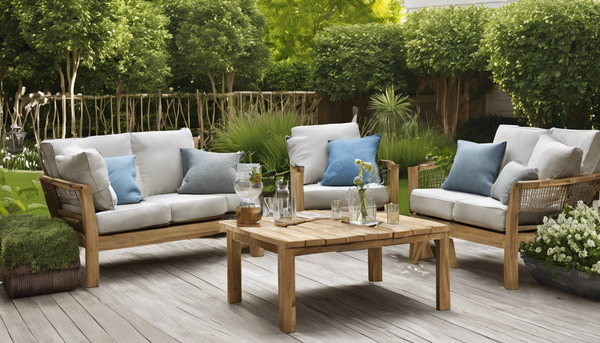
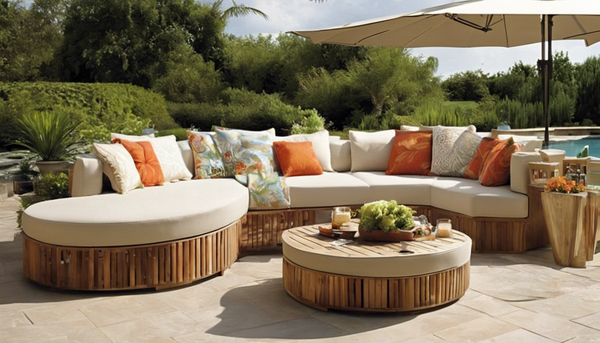
Furniture by the pool must withstand a lot: UV radiation, chlorine or salt water, wet swimwear and sunscreen. Choose frames made of powder-coated metal, aluminum or teak and covers made of special outdoor fabric that dries quickly and is colorfast. Cushions should be removable and washable.
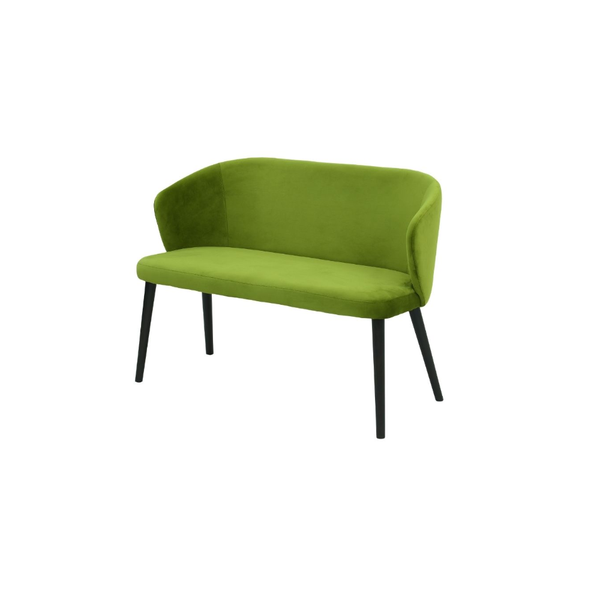
A bench is suitable for the shade zone, accommodating two to three people. At the dining table by the pool, chairs with quick-drying covers and frames that can withstand splashes and wet swimwear are ideal. What to consider regarding materials and dimensions is explained in the guide Patio Furniture.

Planting Around the Pool
Plants turn the pool area into an oasis but can also create work. Avoid deciduous trees and heavily flowering shrubs directly by the pool, as leaves and blossoms end up in the water and clog the filter. Better suited are grasses such as Chinese silver grass or fountain grass, evergreen shrubs, bamboo with rhizome barriers, palms or potted olive trees and Mediterranean perennials such as lavender and rosemary. They love the sun, need little water and create a holiday atmosphere.
| Plant | Advantage | Note |
|---|---|---|
| Chinese silver grass | Privacy, movement | Cut back in spring |
| Bamboo (clumping) | Quickly dense, evergreen | Rhizome barrier for runners |
| Olive tree (potted) | Mediterranean, low leaf litter | Protect in winter |
| Lavender | Fragrance, insects | Bees not directly by the entrance |
| Cherry laurel / Yew | Dense hedge | Prune regularly |

Lighting by the Pool
In the evening, lighting transforms the pool into a stage. Underwater spotlights illuminate the pool, ground spotlights highlight grasses and trees, and low bollard lights mark paths and steps. Around the dining area, a string of lights or a pendant light under the pergola creates atmosphere. All lights in the pool area must be suitable for damp environments, with underwater lights having an IP68 protection rating.
Safety
Safety by the pool is essential, especially with children. A solid cover or roller shutter provides protection when no one is swimming. A fence with a self-closing gate separates the pool from the garden. Non-slip paving, clearly visible steps and sufficient lighting help prevent falls. Glass and porcelain have no place by the pool edge – plastic or stainless steel cups are a better choice.

Pool Area by Style
The design around the pool should match the house and the rest of the garden. A modern cube calls for clean lines and large-format slabs, a country house for natural stone and lush perennials, and a garden in the south for terracotta, olive trees and lavender.
| Style | Paving | Plants | Furniture and details |
|---|---|---|---|
| Mediterranean | Travertine, terracotta | Olive, lavender, cypress | Wood, linen, white sun sail |
| Modern | Large-format porcelain stoneware | Grasses, shaped shrubs | Black metal frames, grey-beige outdoor fabric |
| Tropical | Wooden decking | Bamboo, palms, banana plants | Rattan look, bold colors |
| Natural | Wood, gravel | Wildflowers, reeds | Wooden bench, hammock |
| Country house | Sandstone, clinker | Roses, hydrangeas in partial shade | White furniture, striped cushions |
Evening by the Pool
Many people use the pool mainly after work and on weekend evenings. Then the dining area becomes the center of attention. A table for six to eight people with comfortable, weatherproof chairs, a barbecue or outdoor kitchen nearby, and atmospheric lighting turn the pool area into a place for parties and balmy summer nights. Plan for power outlets and storage for cushions as well, so they can be quickly stored dry after an evening.

Pool area in a small garden
A pool is also possible in small gardens, such as a narrow swimming pool along the property line, a plunge pool, or a hot tub. The surround can then blend into the terrace, so no additional space is lost. Instead of many loungers, two are enough, complemented by a bench that also serves as seating at the dining table. A continuous surface from the terrace to the pool makes the garden look larger.

Maintenance of the pool area
To keep the pool area beautiful for a long time, clean the surfaces regularly with clear water to remove chlorine and salt residues. Wooden decks are oiled once a year, natural stones sealed every few years. Bring cushions and pillows inside during rain or overnight, and occasionally wash covers made of outdoor fabric with mild soap. In autumn, furniture is cleaned, dried, and stored protected or covered.
Connecting the pool and the house
The closer the pool is to the house, the more often it will be used. A direct path from the terrace door to the pool, preferably without steps and on the same surface, makes the transition between indoors and outdoors effortless. An outdoor shower next to the pool keeps the water clean, while a towel hook or a small rack for bath towels saves walking back and forth. If the pool is further away, a small pool house or a covered area for towels, drinks, and equipment is worthwhile. You can find ideas for this in the post about pavilions and garden houses.

Common mistakes
Too narrow a surround
Loungers won't fit, and the path around the pool will be blocked.
Dark surfaces
They become unbearably hot underfoot in summer.
Deciduous trees by the pool
Mean daily leaf sweeping.
No shade
The pool area will be avoided at noon.
Indoor furniture outdoors
Cushions will mold, and fabrics will fade.
Frequently asked questions about the pool area
How wide should the pool surround be?
At least 1.20 m all around, and 2.50 to 3 m on the lounging side.
Which surface around the pool does not get hot?
Light natural stones such as travertine or light sandstone, as well as light porcelain stoneware.
Which plants are suitable for the pool area?
Grasses, bamboo with a rhizome barrier, potted olive trees, lavender, and evergreen hedges.
What furniture is suitable for the pool area?
Furniture with metal or teak frames and covers made of UV- and chlorine-resistant outdoor fabric.
How can I create shade by the pool?
With a sun sail, pergola, cantilever umbrella, or trees placed far enough away from the pool.
How much space do I need around the pool?
Add at least 1.20 m all around the pool surface, plus an additional 15 to 25 m² for loungers and dining space, depending on the number of people.
How can I make the pool child-safe?
With a cover, a fence with a self-closing gate, and constant supervision.
Furniture for the pool and terrace
Tips on frames, covers, and outdoor maintenance.