
Fence ideas in iron, stone and wood
Fence Ideas in Iron, Stone and Wood: Designing a Stylish Garden Fence
A fence is much more than a property boundary. It protects against prying eyes, wind and unwanted guests, frames the garden and shapes the first impression of your home. Whether delicate wrought iron, a solid natural stone wall, a warm wooden slat fence or a combination of stone and wood – the material determines how your garden looks and how much maintenance the fence requires.
In this guide, we present the most beautiful fence ideas in iron, stone and wood, compare the materials in terms of appearance, durability and maintenance, and show you how to skillfully combine different materials. We also provide tips on height, privacy and planting. You can find more inspiration for the outdoor area in our post on garden design.
Fence Materials at a Glance
| Material | Appearance | Durability | Maintenance | Suits |
|---|---|---|---|---|
| Wrought iron | Elegant, playful | Very high | Regularly check rust protection | Old buildings, villas, classic gardens |
| Powder-coated steel / metal | Modern, clean | Very high | Low | Modern architecture |
| Natural stone / gabions | Solid, natural | Very high | Very low | Country houses, sloped areas, modern gardens |
| Wood | Warm, natural | Medium, depending on wood type | Regularly stain or oil | Country houses, Scandinavian, natural gardens |
| Stone + wood | Natural, high-quality | High | Low to medium | Almost all styles |
| Metal + wood | Modern, warm | High | Medium | Modern houses |

Iron and metal fences
Iron fences stand for elegance and durability. Wrought iron fences with vines, spikes or geometric patterns are perfect for old buildings and classic gardens. Modern metal fences made of flat steel or bar panels, on the other hand, look clean and graphic. Powder coating permanently protects the metal from corrosion and is available in many colors – anthracite is particularly popular at the moment.
Wrought iron with ornaments
Flower, leaf or vine motifs transform the fence into a work of art.
Industrial-style bar fence
Vertical bars in black or anthracite – simple, robust, timeless.
Double bar panels
Affordable and stable, easily combined with privacy strips or climbing plants.
Corten steel
Deliberately rusted look for modern, nature-inspired gardens.
Aluminum slat fence
Opaque, easy to maintain and very modern.
Metal panels with laser patterns
Decorative motifs with a play of light and shadow.


Stone fences and walls
Stone fences and walls are the most durable solution. They protect against noise, wind and prying eyes and require practically no maintenance. Depending on the construction, they can look rustic or modern.
Dry stone wall
Stacked without mortar, it provides a habitat for insects and lizards.
Gabions
Wire cages filled with stones – modern, opaque and sound-insulating.
Plastered wall
Smooth surfaces in white or grey for a Mediterranean or modern flair.
Clinker or brick wall
Warm color, classic North German or industrial.
Plinth wall with top section
Low stone wall as a base for wooden or metal panels.
Stone pillars
Massive pillars as a frame for lighter fence panels.

Wooden fences
Wood brings warmth and naturalness to the garden. Whether a classic picket fence, slat fence, woven fence or opaque privacy screen – wooden fences can be designed very individually. Durability depends heavily on the type of wood and the protection.
| Wood type | Properties | Durability |
|---|---|---|
| Larch | Resin-rich, naturally weather-resistant, turns silvery grey | High |
| Douglas fir | Similar to larch, beautiful reddish color | High |
| Pressure-treated pine | Affordable, protected by treatment | Medium to high |
| Spruce | Affordable, not very durable without protection | Low to medium |
| Robinia / Oak | Very hard and durable | Very high |
| Thermowood | Heat-treated, dimensionally stable | High |
Good construction protection is just as important as stain or oil: posts should not stand directly in the ground, but in metal post supports, so that water can drain away and the wood can dry.


Combining materials: Stone and wood, metal and wood
The most exciting fences are often made from a combination of materials. A fence made of stone and wood combines the solidity of a wall with the warmth of wood. Metal and wood look modern and cozy at the same time.
| Combination | Idea | Effect |
|---|---|---|
| Stone + wood | Natural stone base with wooden slats above | Natural, high-quality |
| Gabion + wood | Gabion pillars with wooden panels in between | Modern, opaque |
| Metal + wood | Steel frame with wooden slats | Modern, warm |
| Stone + metal | Stone wall with wrought iron top | Classic, impressive |
| Wood + plants | Slat fence with climbing roses or clematis | Romantic, natural |

Step by step to the right fence
Clarify the purpose
Should the fence mainly define boundaries, provide privacy, dampen noise or secure pets and children?
Determine the style
The fence should match the architecture of the house and the facade, windows and roof.
Check regulations
Ask the local council about permitted heights, distances and necessary permits.
Clarify the boundary
Know the exact boundary line and talk to the neighbors.
Plan the budget
Include materials, foundations, gates and possibly installation.
Consider the maintenance effort
Those with little time should choose stone, gabions or powder-coated metal.
Comparison of material costs
The actual costs depend heavily on length, height, ground conditions, foundations and regional prices. However, the materials can be roughly ranked relative to each other. Always obtain several quotes for larger projects.
| Material | Cost level | Installation |
|---|---|---|
| Double bar panels | Low | Good for DIY |
| Wooden slat fence (pine, spruce) | Low to medium | Good for DIY |
| Wood from larch, Douglas fir, robinia | Medium | DIY possible |
| Gabions | Medium to high | Consider foundation and weight |
| Custom wrought iron | High | Usually professional installation |
| Natural stone wall | High | Usually professional installation |
Gates, entrances and lighting
The garden gate is the calling card of the fence. It should match the fence in material, but can also add an accent – such as a wrought-iron gate in a natural stone wall or a wooden gate between gabion columns. Plan enough width for trash cans, bicycles, or garden tools.
Lighting makes the fence a design element even in the evening. Ground spotlights highlight stone walls and gabions, while small lights in the pillars mark the entrance. Solar lights are an easy cable-free solution, but for permanent installations, a permanently installed cable is worth it.
Typical mistakes when building a fence
- Weak foundations: Gabions and stone pillars in particular need a load-bearing foundation.
- Wood in the ground: Posts directly in the ground rot quickly – use post supports.
- Clash of styles: Too many materials look restless; combine two, at most three.
- Ignoring regulations: A fence that is too high may have to be removed in the worst case.
- No room for plants: Plan planting strips in front of or behind the fence from the start.
Height, privacy, and regulations
How high a fence may be and whether a permit or building notification is required is regulated in Austria by the building codes of the federal states and, in some cases, by the municipal zoning plans. Therefore, inquire with your municipality before construction and, if possible, discuss larger projects with your neighbors.
- Front garden: Low, open fences look inviting and allow the house to stand out.
- Patio and seating area: Here, opaque privacy at seating height is particularly valuable.
- Street side: Solid stone or gabion fences dampen noise.
- Sloping terrain: Stepped fence panels or stone retaining walls.
Planting the fence
Plants make any fence more vibrant. Climbing plants such as clematis, climbing roses, ivy, or Virginia creeper green metal and wooden fences. Lavender, grasses, and perennials look particularly beautiful in front of stone walls. A hedge in front of a low fence creates additional privacy and a habitat for birds.


Designing the garden behind the fence
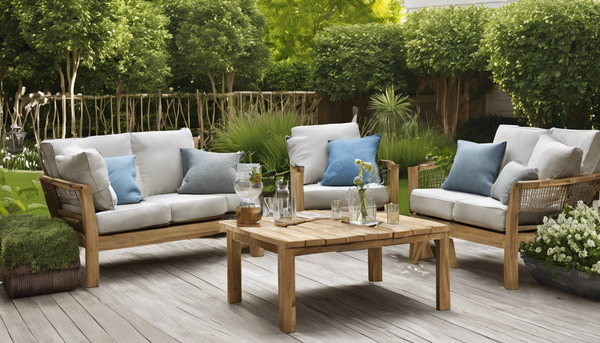
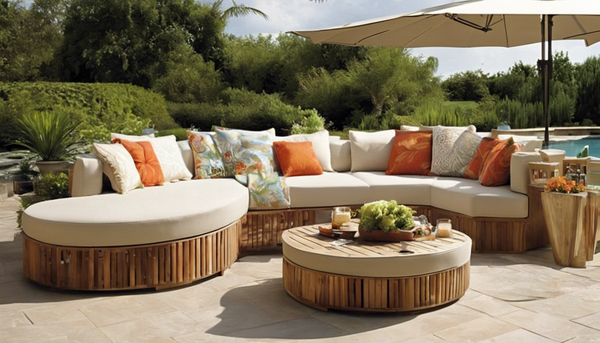
A beautiful fence creates the frame. The atmosphere is created by what lies behind it. A sheltered seating area with comfortable, weather-resistant furniture becomes a favorite spot. What to look for in the frame, upholstery, and dimensions is explained in the guide Buying garden furniture.
Further ideas: Pavilions and garden houses, Garden furniture made from pallets, and Gardens in the countryside.
Care by material
| Material | Care | Interval |
|---|---|---|
| Wrought iron | Sand down rust spots, apply rust protection and paint | Check annually |
| Powder-coated metal | Wash with water and mild cleaner | As needed |
| Natural stone / Gabions | Remove vegetation, check joints | Rarely |
| Wood | Clean, renew stain or oil | Every 1–3 years |

Frequently Asked Questions
Which fence lasts the longest?
Stone and gabion fences, as well as powder-coated metal fences, last the longest and require almost no maintenance.
What wood is suitable for a garden fence?
Larch, Douglas fir, robinia, oak, and thermally treated wood are naturally weather-resistant. Spruce should be well protected.
How do I combine stone and wood?
Classically with a natural stone base and wooden slats above, or with gabion columns and wooden panels in between.
How high can a garden fence be in Austria?
This is regulated by the building codes of the federal states and the municipalities. Ask your municipality before construction.
Which fence offers the best privacy?
Gabions, walls, aluminum louver fences, and opaque wooden fences.
Can I build a fence myself?
Double-wire mesh and wooden fences can be easily installed yourself. Natural stone walls and custom-made wrought iron are usually handled by a specialist company.
What is a gabion fence?
A fence made of sturdy wire cages filled with natural stones. It is opaque, durable, and sound-insulating.
How do I prevent rust on an iron fence?
With regular inspection, rust-proofing primer, and paint or powder coating.
Enjoy the garden
What to look for in the frame, upholstery, and dimensions for the seating area.