
Choosing Wallpaper for the Living Room: Patterns, Colors, Furniture
Choosing Wallpaper for the Living Room: Patterns, Colors, and Matching Furniture
Wallpaper can transform a living room faster than almost any other measure. A single wallpapered wall behind the sofa can make the room feel warmer, larger, or more elegant. At the same time, the selection is huge: non-woven, paper, vinyl, or textile; stripes, botanical, textured, or photo wallpaper. If you want to find the right wallpaper for the living room, you should therefore not start with the sample book, but with the room and the furniture.
This guide shows you the different types of wallpaper, which patterns suit which room size, how to coordinate the colors of the wallpaper, sofa, and armchair, and how many rolls you need. It also includes a comparison table, combination examples, and answers to the most frequently asked questions.
The Essentials at a Glance
- Non-woven wallpaper for most rooms: Easy to apply, dimensionally stable, and can be removed dry later.
- Accent wall instead of all-over pattern: Bold patterns work best on one wall, usually behind the sofa or dining table.
- Adapt the pattern size to the room: Large motifs need space, while smaller rooms are better suited to fine textures.
- Derive the color from the furniture: The wallpaper picks up a color from the sofa, armchair, rug, or wood.
- Vertical stretches, horizontal widens: Stripes significantly change the room's effect.
- Test the pattern beforehand: Look at a sample in daylight and artificial light.


Wallpaper Types Compared
The type of wallpaper determines the application, durability, and care. Non-woven wallpaper is the standard for living rooms today because the paste is applied directly to the wall and the strips can be placed on the wall dry. Paper wallpapers are affordable but more delicate. Vinyl is robust and washable, while textile and natural wallpapers look elegant and dampen sound.
| Wallpaper Type | Advantages | Disadvantages | Good For |
|---|---|---|---|
| Non-woven Wallpaper | Easy to wallpaper, dimensionally stable, can be removed dry | Slightly More Expensive Than Paper | Almost All Living Spaces |
| Paper Wallpaper | Affordable, breathable | Tears More Easily, Not Very Durable | Bedroom, Short-Term Rental |
| Vinyl Wallpaper | Washable, robust, many effects | Less Breathable | Hallway, Dining Area, Family Living Room |
| Textile / Grass Wallpaper | Elegant feel, sound-dampening | Delicate, expensive | Accent Wall in the Living Room |
| Photo Wallpaper | Large motif, strong impact | Dominates the room | A wall with distance from the viewer |
| Textured Wallpaper (paintable) | Conceals unevenness, freely paintable | Little pattern | Old-building walls |


Patterns and Room Effect
Patterns are the strongest tool of wallpaper. They can stretch, shrink, calm, or enliven a room. The most important rule: The larger the pattern, the more distance you need to enjoy it. A large-scale leaf motif looks great in a 30 m² living room, but can overwhelm a 12 m² room.
Vertical Stripes
Make low rooms appear higher. Fine stripes are calmer than wide block stripes.
Horizontal Lines
Make narrow rooms appear wider, visually lower the ceiling.
Botanical Patterns
Bring nature into the living room and pair well with green, velvet, and wood.
Geometric Patterns
Modern and graphic, ideal for clean sofas with metal legs.
Solid with Texture
Linen, concrete, or plaster look creates depth without restlessness.
Art Deco Motifs
Fans and gold lines pair with velvet, brass, and retro furniture.


Which Wall to Wallpaper?
In most living rooms, only one wall is wallpapered. This accent wall should be chosen deliberately: it is the background for the most important piece of furniture. Typically, the wall behind the sofa is chosen because it immediately catches the eye when entering the room. Alternatively, the wall behind the dining area or a niche with a shelf is suitable. Avoid the TV wall with heavily patterned wallpaper because the image in front of it will look restless.


Combining Wallpaper and Furniture
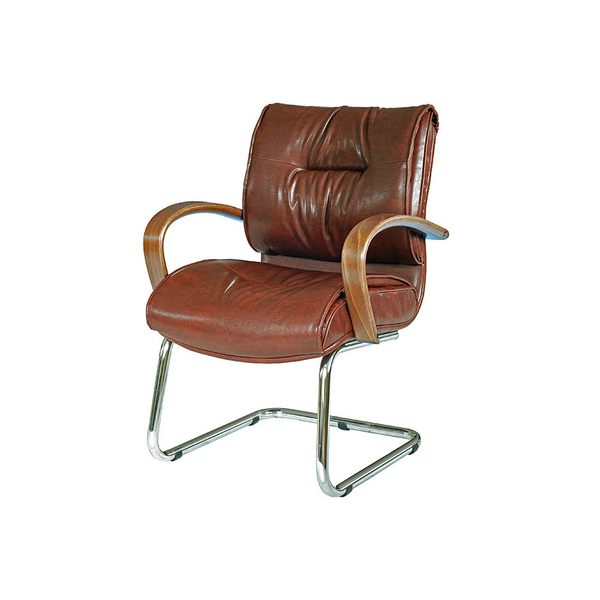
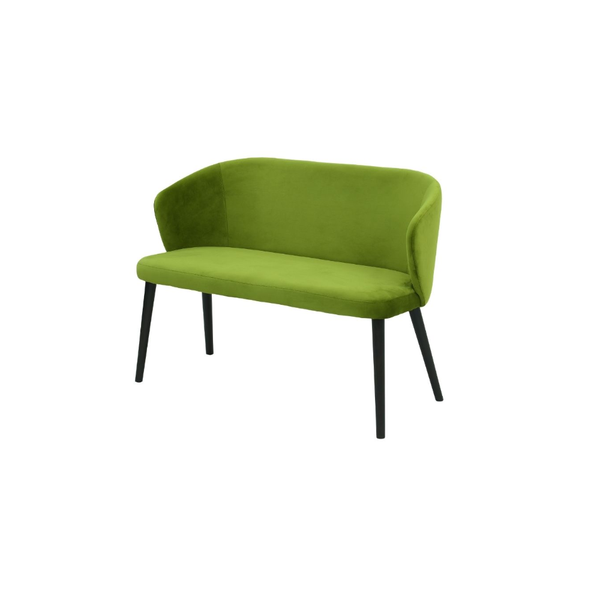
The wallpaper only works in combination with the furniture. The easiest way is to pick up a color from an existing piece: the green of the sofa, the cognac tone of a leather armchair, or the grain of an oak table. Then the living room will look cohesive, even if the pattern is bold.
| Wallpaper | Matching Furniture | Example from the Collection |
|---|---|---|
| Botanical, Dark Green | Emerald or Cream Velvet Sofa, Brass Details | Emerald Green Sofa (€1890) |
| Solid Beige / Linen | Cognac-Colored Leather, Oak Wood | Buffel Leather Chesterfield Sofa (€1790) |
| Geometric, Black-and-White | Clean Shapes, Metal Legs, Velvet Armchair | SAMUEL Velvet Armchair (€570) |
| Art Deco with Gold | Velvet, Golden Legs, Round Shapes | MARCELO G Armchair with Golden Legs (€870) |
| Concrete Look / Gray | Oak, Leather, Industrial | Round PRAGUE Coffee Table in Oak (€680) |
More ideas for seating furniture can be found in the Sofas and Armchairs collections. How to distribute colors harmoniously in the room is shown in the Combining Colors post. The current color tones for furniture can be found in the Furniture Color Trends post.


How Many Rolls Do I Need?
A standard roll is 10.05 m long and 53 cm wide, many non-woven wallpapers are also available with a width of 1.06 m. Divide the wall width by the strip width and round up. With a rapport, i.e., a repeating pattern, you need more waste. Always buy one spare roll from the same batch so that later repairs are color-matched.
| Wall Width (Room Height 2.50 m) | Strips at 53 cm | Rolls without Rapport | Rolls with Large Rapport |
|---|---|---|---|
| 3 m | 6 | 2 | 2–3 |
| 4 m | 8 | 2–3 | 3 |
| 5 m | 10 | 3 | 4 |
| All Around 16 m (4 × 4 m Room) | 31 | 8 | 9–10 |


Step by Step to the Right Wallpaper
- 1. Analyze the room: Note the size, ceiling height, light exposure, and orientation. North-facing rooms suit warm tones, while south-facing rooms suit cool tones.
- 2. Decide on the furniture: Which piece of furniture should be the focal point? Its color will determine the palette.
- 3. Choose a wall: An accent wall or the entire room?
- 4. Check the pattern scale: In relation to the wall size and viewing distance.
- 5. Order a sample: View it in daylight and in the evening by lamplight.
- 6. Prepare the surface: Smooth, dry, and sturdy. Remove old wallpaper completely.


Wallpaper to match your interior style
Every interior style has typical wallpapers. When the wallpaper and furniture speak the same language, the room feels harmonious. The following overview helps with the initial selection.
| Interior style | Typical wallpaper | Matching furniture |
|---|---|---|
| Modern | Graphic, solid with texture, concrete look | Sofa with clean lines, metal legs, glass |
| Classic / Chesterfield | Damask, fine stripes, dark tones | Chesterfield sofa, leather armchair, wood |
| Scandinavian | Light botanicals, fine patterns, pastel | Light wood, fabric sofa, wool |
| Retro / Mid-Century | Geometric 60s patterns, ochre, petrol blue | Velvet armchair, teak wood, round coffee tables |
| Country | Floral patterns, checks, linen look | Solid wood, fabric, bench |
| Glamour / Art Deco | Fan, gold, marble look | Velvet, gold legs, mirror |
If you are unsure, start with a subtle textured wallpaper in a warm natural tone. It suits almost all furniture and provides a beautiful backdrop for a colorful sofa or an eye-catching armchair.


Wallpapering tips
- Check the surface: The wall must be clean, dry, smooth, and sturdy. Fill cracks and prime absorbent walls.
- Use a spirit level: Align the first strip vertically with a spirit level or laser, otherwise all subsequent strips will be crooked.
- Consider the pattern repeat: For patterned wallpaper, lay the strips out side by side beforehand and number them.
- Butt the strips together: Do not overlap non-woven wallpaper; join the strips exactly edge to edge.
- Smooth out air bubbles: Work from the center outwards using a wallpaper brush or roller.
- Allow to dry: Do not use heating or create drafts until the wallpaper is dry.
For a single accent wall, DIYers usually need half a day. For large-scale patterned wallpaper, photo wallpaper, or delicate natural wallpaper, it is often worth hiring a professional, as pattern repeat errors are immediately noticeable.

Wallpaper in a rented home
Wallpaper is generally allowed in rented homes, but the home usually has to be returned in a neutral condition upon moving out. Non-woven wallpaper can be removed dry, making the removal easier. Alternatives include self-adhesive wallpaper or removable wall films that hold without paste. If in doubt, clarify with the landlord beforehand what is expected upon moving out.

Care and durability
How long wallpaper stays beautiful depends on the material and location. Vinyl and non-woven wallpapers labeled "scrubbable" can be cleaned with a damp cloth. Only dust paper and natural wallpapers dry. Direct sunlight can cause some colors to fade, so check the lightfastness on the label. Leave a small gap between the sofa and the wall so that the backrest and cushions do not rub the wallpaper.

Common mistakes
Pattern too large for a small room
The motif feels overwhelming and makes the room look smaller.
Wallpaper with no connection to the furniture
Colors compete instead of harmonizing.
Pattern chosen only on screen
Colors often look different online than on the wall.
Different batches
Even the slightest color differences will become noticeable later.
Frequently asked questions about living room wallpaper
Which wallpaper is best for the living room?
For most living rooms, non-woven wallpaper is the best choice: easy to work with, dimensionally stable, and removable dry later.
Which wall in the living room should you wallpaper?
Usually the wall behind the sofa or dining area. The TV wall is better suited to subtle textured wallpapers.
Which wallpaper makes a small living room look larger?
Light tones, fine textures, and vertical stripes. It is better to avoid large-scale, dark patterns.
How do I combine wallpaper and a sofa?
Pick up a color from the sofa in the wallpaper or choose a contrast, such as a green velvet sofa against cream-colored botanical wallpaper.
Is wallpaper still modern in the living room?
Yes, especially accent walls with botanical, graphic, or textured motifs, as well as natural wallpapers, are currently on trend.
How many rolls of wallpaper do I need for one wall?
For a wall 4 m wide and 2.50 m high, usually 2 to 3 rolls measuring 10.05 × 0.53 m, plus a spare roll.
Read more
You can find ideas for the overall design in the guides Furnishing the living room and Living room ideas.

Sofas and armchairs to match the wallpaper
Velvet, leather, and fabric in many colors, handmade.