
Oak Dining Table: Wood Quality B/C, Solid Wood and Care
Oak dining table: wood quality, B/C grading and care
Oak is the most popular wood for dining tables – and for good reason. The hard, dense wood is extremely hard-wearing, its lively grain looks warm and natural, and a solid oak table will last for generations with the right care. But not all oak is the same: grading, top thickness, workmanship and finish determine how a table looks and how it ages.
In this guide we explain what the quality grade B/C means for oak, how solid wood differs from veneer, which top thickness makes sense and how to care for your oak dining table. We also show oak tables from our range. What size you need is explained in Dining table dimensions, and which shape suits you in Round or rectangular dining table.
The key points in brief
- Oak is hard, heavy and dimensionally stable – ideal for heavily used dining tables.
- Quality B/C means: natural features such as small knots and colour variation are permitted and desired.
- Solid wood can be sanded and re-oiled; veneer only to a very limited extent.
- A top thickness of 3 to 4 cm solid oak is stable and visually balanced for dining tables.
- Our oak tables have a top made of solid oak in quality B/C and an electrostatically painted steel frame or wooden legs.
Why oak is so popular
Oak has been one of the most sought-after woods in furniture making for centuries. It is hard and resistant, swells and shrinks comparatively little and contains tannins that make it naturally robust. The distinctive grain with its fine pores and typical medullary rays gives every table an individual character. The colour palette ranges from light honey yellow to warm brown and darkens slightly over the years.
| Type of wood | Hardness | Look | Suitability for a dining table |
|---|---|---|---|
| Oak | Hard | Lively grain, warm | Very good |
| Beech | Hard | Calm, even | Good, moves more |
| Ash | Hard, elastic | Light, pronounced texture | Very good |
| Walnut | Medium to hard | Dark, elegant | Good, more expensive |
| Pine | Soft | Light, knotty | Limited, sensitive to pressure |
What does quality B/C mean for oak?
Oak is graded according to its appearance. The grades are named differently depending on the manufacturer and region, but follow the same principle: the fewer knots, cracks and colour differences, the higher the grade. The designation B/C means that the visible top side corresponds to grade B and less visible areas such as the underside to grade C.
| Grade | Features | Effect |
|---|---|---|
| A (premium) | Almost knot-free, very even colour | Calm, very expensive |
| B (visible side) | Small, sound knots, slight colour differences | Natural, lively |
| C (underside) | Larger knots, colour deviations, small cracks | Rustic, robust |
| B/C | Visible side B, underside C | Natural look, good value for money |
Knots, colour variation and differences in grain are therefore not a quality defect but show that it is genuine solid wood. The stability and durability of the wood are not affected.
Solid wood, glued laminated wood or veneer?
An "oak table" can be constructed in very different ways. Solid tabletops consist of glued oak staves across the entire thickness. Veneered tops have a core of chipboard or MDF with a thin layer of oak. Both have their place, but there are clear differences in everyday use.
| Construction | Can be sanded | Durability | Weight | Price |
|---|---|---|---|---|
| Solid oak (staves) | Yes, several times | Very long | Heavy | Higher |
| Solid wild oak | Yes | Very long | Heavy | Higher |
| Veneer on a core board | Hardly | Medium | Lighter | Lower |
| Oak decor (foil) | No | Low | Light | Low |
A big advantage of solid wood: scratches, water stains or burn marks can be sanded off, after which the top is re-oiled and looks almost like new again.
Top thickness and edge
The top thickness affects stability and appearance. 3 cm solid oak looks light and modern and is entirely sufficient for dining tables, especially combined with a stable steel frame. 4 cm looks more substantial and suits large tables or round models with a central base. For the edge, you can choose between a straight edge and a Swiss edge, which is bevelled underneath and makes the top look slimmer.
| Feature | Effect | Recommendation |
|---|---|---|
| 3 cm top | Light, modern | Rectangular tables with a steel frame |
| 4 cm top | Substantial, solid | Round tables, large formats |
| Straight edge | Clear, timeless | Scandinavian, modern |
| Swiss edge | Slim, elegant | When the top should look light |
Frame: steel or wood?
Our oak tables combine the solid top with a frame of electrostatically painted steel – for example in the slim 10 x 3 cm profile – or with wooden legs. Steel looks light and modern and leaves legroom, while wooden legs emphasise the natural character. How powder coating of the frames works is explained in Powder coating metal.
Checklist: what to look for when buying
- Wood specification: does the description say "solid oak" or only "oak look" or "oak decor"?
- Grading: if the quality (e.g. B/C) is stated openly, you know which natural features to expect.
- Top thickness: 3 to 4 cm of solid wood is solid; much thinner tops quickly look unstable on large tables.
- Frame: a stable connection between top and frame, enough legroom for chairs at the ends.
- Finish: ask about the treatment of the top and the appropriate care products.
Solid oak dining tables at derStuhl
All tops are made of solid oak in quality B/C. You can find all size options on the respective product pages.
| Model | Shape | Sizes (L x W x H x top) | Frame |
|---|---|---|---|
| ZÜRICH | Rectangular | 180–300 x 100 x 77 cm, 3 cm | Steel Slim 10x3 |
| MIKADO SLIM | Rectangular | 180–300 x 100 x 77 cm, 3 cm | Steel |
| QUADRO | Rectangular | 180–300 x 100 x 77 cm, 4 cm | see product page |
| LAUSANNE | Rectangular, Swiss edge | 180–300 x 100 x 77 cm, 3 cm | Steel |
| TOSCA | Round | Ø 120–140 cm, H 77 cm, 4 cm | Steel |
| TERRA | Round | Ø 120–140 cm, H 77 cm, 4 cm | see product page |
| GENEVA | Oval | 220–240 x 110–120 x 77 cm, 3 cm | Steel |
| BONE | Rectangular | 240–300 x 100 x 76 cm | see product page |
You can find all models under Dining tables. Matching chairs are shown in Dining chairs and Wooden chairs. Oak coffee tables such as PRAGUE or SENA are available under Coffee tables.

Oak dining table

Oak table, MIKADO SLIM model

Round oak dining table

Oak coffee table
Which chairs go with an oak table?
Leather chairs
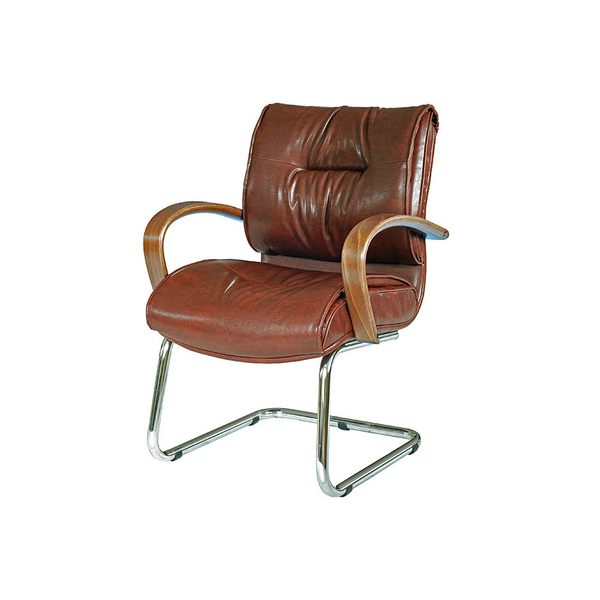
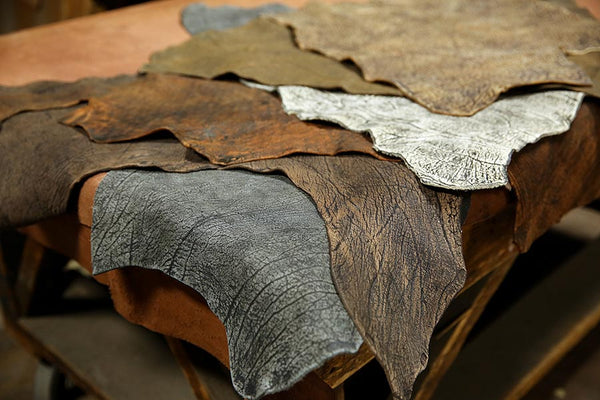
Buffalo Cognac or Brandy underline the warmth of the oak. More in Leather dining chairs.
Velvet chairs
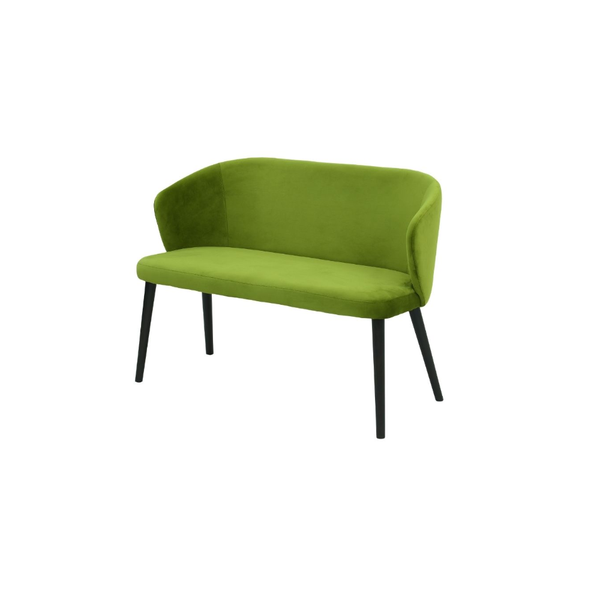
Moss, petrol or copper add elegant accents. See Velvet chairs.
Fabric chairs
Natural tones such as cream or beige look light and Scandinavian. See Fabric chairs.
Bench
A bench along the long side looks sociable. See Bench length.
Caring for an oak dining table
- Daily: wipe with a slightly damp, well wrung-out cloth, then wipe dry.
- Liquids: wipe up immediately, especially red wine, coffee and vinegar.
- Use coasters for hot pots and glasses.
- Refreshing: treat oiled surfaces once or twice a year, depending on use, with a suitable wood care oil; only clean lacquered surfaces with a damp cloth.
- Avoid: abrasive cleaning cloths, harsh cleaners and permanently wet cloths on the top.
Oak reacts to the room climate: 40 to 60 per cent humidity is ideal. Very dry heating air can lead to fine hairline cracks, which are normal in solid wood and usually close again.
Oak in interior styles
Hardly any wood is as versatile as oak. Depending on the frame, chairs and surroundings, the same table can look light and Scandinavian, bold and industrial or classic and cosy. This overview helps with combining:
| Style | Table | Chairs | Accents |
|---|---|---|---|
| Scandinavian | Light oak, slim frame | Fabric in cream or beige, wooden chairs | White, light grey, plants |
| Industrial | Oak with a black steel frame | Buffalo leather in Brandy or Cognac | Concrete, black, Edison bulbs |
| Modern elegant | Oval or round oak | Velvet in petrol, moss or copper | Brass, marble |
| Country house | Substantial top, wooden legs | Dark brown leather, fabric in natural tones | Linen, ceramics |
| Japandi | Oak with straight edges | Fabric in thyme or sand | Minimal decor, natural materials |
Repairing scratches and stains on an oak table
Even with the best care, a dining table picks up marks in everyday use. With solid oak, that is no drama:
Light scratches
Rub in wood care oil or a care wax; fine scratches often disappear almost completely.
Water rings
Light rings usually fade by themselves. Lightly sand stubborn rings and re-oil.
Deeper scratches
Work the spot with fine sandpaper in the direction of the grain, then oil.
Complete overhaul
After many years, the whole top can be sanded and re-treated – an advantage of solid wood.
Always test care products on an inconspicuous spot first and follow the instructions for your table's finish.
Oak and longevity
Oak grows slowly, and it is precisely this slowness that makes its wood so dense and durable. A solid oak table that is used for decades and refurbished when needed is therefore a long-term purchase: instead of a short-lived piece of furniture that has to be replaced after a few years, you buy a table that grows with the family.
Frequently asked questions
Is an oak dining table delicate?
No, oak is one of the hardest European woods. Scratches are still possible, but with solid wood they can be sanded off.
What does quality B/C mean?
The visible side corresponds to grade B with small knots and slight colour variation, the underside to grade C with larger natural features.
How thick should an oak top be?
3 to 4 cm of solid oak is ideal for dining tables; 4 cm is recommended for large or round tables.
Does oak darken?
Yes, oak becomes somewhat warmer and darker over time due to light.
What size do I need?
Allow about 60 cm of table width per person. Details can be found in Dining table dimensions.
What is the production time?
Our tables are made to your configuration; production time is usually 6 to 12 weeks.
Your solid oak dining table
Choose the shape, size and frame. An overview of all table types is provided by the Dining table guide.