
How Is Leather Made? From Rawhide to Furniture Leather
How is leather made? From raw hide to furniture leather
Leather is one of humanity's oldest materials. More than 100,000 years ago, people began preserving animal hides to protect themselves from the cold. Over thousands of years, this simple necessity became a demanding craft – and later an industry with precise processes. Today, high-quality leather is one of the most sought-after materials for furniture because it is robust, breathable and durable, and becomes more beautiful over the years.
But how does a raw animal hide become a supple cover for chairs, benches and sofas? In this guide we explain leather production step by step: from the structure of the hide through soaking, liming and tanning to dyeing and finishing. We also show why we use genuine buffalo leather for our furniture. The differences between our leather types are explained in Buffalo leather, Botswana and Stelvio.
Leather production at a glance
Beamhouse
The raw hide is cleaned, soaked and freed from hair and subcutaneous tissue.
Tanning
Tanning agents bond with the collagen fibres and make the hide permanently durable.
Retanning and dyeing
Dyes and fats are worked in, giving the leather colour and suppleness.
Finishing
Drying, staking, buffing or embossing and the final finish determine the look and feel.
A brief look at history
The first tanning methods were very simple: hides were dried, smoked or rubbed with fat. Later, people discovered that the bark, leaves and fruits of certain plants contain tanning agents that preserve hides permanently. In the Middle Ages, leatherworking was regarded as one of the most demanding crafts; tanners, saddlers and shoemakers formed their own guilds. In the 19th century, industrial progress brought new tanning techniques, above all chrome tanning, which made leather softer, more even and more resilient in less time.
| Era | Development |
|---|---|
| Prehistory | Drying, smoking and greasing animal hides |
| Antiquity | Vegetable tanning with bark and leaves |
| Middle Ages | Guild tanning craft, leather for clothing, saddles and books |
| 19th century | Industrialisation, introduction of chrome tanning |
| Today | Combined processes, modern dyeing and finishing techniques, stricter environmental regulations |
What exactly is leather?
Leather is an animal hide made durable by tanning, in which the natural fibre structure is preserved. The hide essentially consists of two layers: the upper papillary layer is fine-pored and forms the visible grain side with its typical pattern of hair pores. Beneath it lies the reticular layer of densely interwoven collagen fibres, which gives the leather its mechanical strength. The denser this fibre network, the more tear-resistant and durable the leather.
| Layer | Property | Significance for furniture |
|---|---|---|
| Papillary layer (grain side) | Fine-pored, visible structure | Determines look and feel |
| Reticular layer | Dense fibre network | Provides tear resistance and dimensional stability |
| Split leather | Lower layer without grain | Less robust, often coated |
High-quality furniture covers are made of grain leather, i.e. the upper layer with an intact grain side. Split leather is cheaper, but is usually buffed or coated and does not achieve the same durability.
Step 1: The beamhouse
After delivery, the raw hides are first preserved and sorted. The actual processing begins in the so-called beamhouse:
- Soaking: the hides are soaked in water, cleaned and regain their original moisture.
- Liming: in an alkaline bath, hair and epidermis loosen and the fibre structure opens up.
- Fleshing: machines remove subcutaneous tissue and fat residues from the flesh side.
- Splitting: if required, the hide is split into grain leather and split leather and brought to an even thickness.
- Deliming and bating: the hide is neutralised and made supple with enzymes.
Step 2: Tanning
Tanning is the core of leather production. Tanning agents penetrate the hide and bond with the collagen fibres. This makes the hide resistant to rotting while keeping it flexible. There are various tanning methods with different properties:
| Method | Tanning agent | Properties | Typical use |
|---|---|---|---|
| Chrome tanning | Chromium(III) salts | Soft, heat-resistant, evenly dyeable, fast | Furniture, shoes, clothing |
| Vegetable tanning | Bark, wood and fruit extracts | Firmer, natural smell, pronounced patina | Saddlery, belts, bags |
| Chrome-free tanning | Synthetic or aldehyde tanning agents | Light, easy to dye | Car leather, special applications |
| Combination tanning | Mixture of several methods | Combines softness and strength | High-quality furniture leather |
After tanning, excess water is pressed out and the leather is sorted by quality and thickness.
Step 3: Retanning, dyeing and fatliquoring
Now the leather acquires its character. Retanning agents, dyes and fats are worked in in rotating drums. The dyes penetrate deep into the pores without changing the surface structure – so the natural grain remains visible. Fats make the leather supple and give it a pleasant feel. Our Botswana leather is dyed by hand in Italy, which produces particularly even, intense shades.
Step 4: Drying and finishing
After dyeing, the leather is dried – hanging, stretched on frames or in a vacuum. It is then mechanically softened by staking. The final appearance is decided during finishing:
| Finishing | Result |
|---|---|
| Aniline | Dyed through only, hardly any top coat, very natural |
| Semi-aniline | Thin protective layer, natural and somewhat easier to care for |
| Pigmented | Opaque colour coat, very robust, less lively |
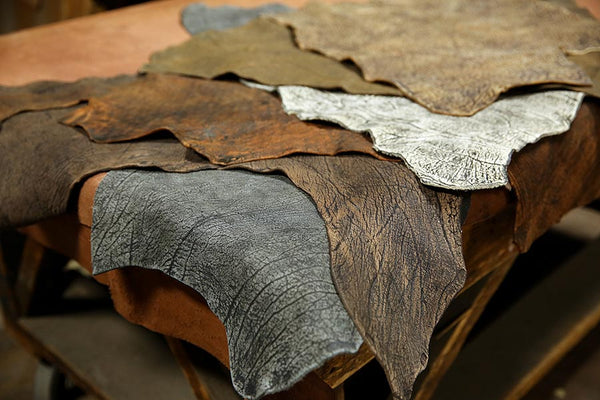
| Washed / used | Deliberately irregular look, e.g. Buffalo washed anthracite |
| Embossed | Artificially embossed grain, often on split leather |
Finally, the leather is measured, checked for defects and sorted into quality grades.
Why we use buffalo leather
For our leather chairs, benches, sofas and armchairs we use genuine buffalo leather. Compared with conventional cowhide, it is thicker and has much coarser pores, which gives it an unmistakable look and a special feel. Natural scars, insect bites and colour variations remain visible and make every piece unique.
- Robust and durable: ideal for heavily used furniture such as dining chairs and benches.
- Natural and unique: every hide has its own grain structure.
- Deep colouring: the dyes penetrate the pores without changing the surface.
- Patina: over time, the leather develops a characteristic, warm look.
We offer buffalo leather in two variants: Buffalo with a rustic grain in seven colours and Botswana, hand-dyed in Italy, in five colours.
How to tell genuine leather from faux leather
| Test | Genuine leather | Faux leather |
|---|---|---|
| Surface | Irregular pores and grain | Uniform, repeating pattern |
| Cut edge | Fibrous | Fabric backing visible |
| Feel | Warm, supple | Cool, rubbery |
| Smell | Natural | Chemical |
| Ageing | Patina, becomes softer | Can crack and peel |
From finished leather to furniture cover
Once the leather has been finished, the work in the upholstery workshop begins. Each hide is inspected on the cutting table: areas with pronounced growth marks or deep scars are used for less visible parts such as the backs, while the finest sections go on the seat and backrest. Since no two hides are alike, cutting requires experience and a good eye.
- Cutting: the pieces are laid out so that the grain pattern and fibre direction match the direction of load.
- Sewing: seams are stitched with tear-resistant thread; decorative stitching emphasises the shape of the chair.
- Covering: the leather is stretched over the upholstered seat and neatly fixed at the edges.
- Final inspection: tension, seams and surface are checked before the furniture is packed.
Leather and sustainability
In most cases, furniture leather is a by-product of the meat industry: the hides would otherwise be discarded. A durable leather piece of furniture that is used for many years is therefore often more sustainable than a cover that has to be replaced after a short time. In Europe, modern tanneries are subject to strict regulations on wastewater and chemicals. Caring for leather properly also extends the life of your furniture – and saves resources.
Furniture in genuine buffalo leather
| Model | Type |
|---|---|
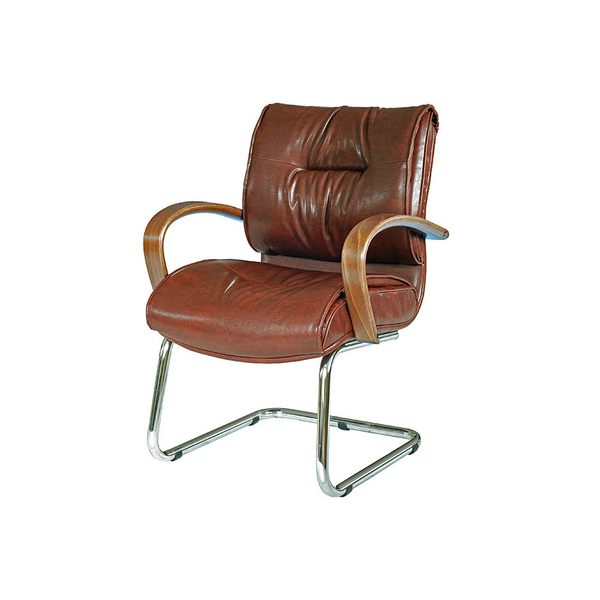
| FLEET OHIO | Cantilever chair |
| FLEET BADSAAL | Cantilever chair |
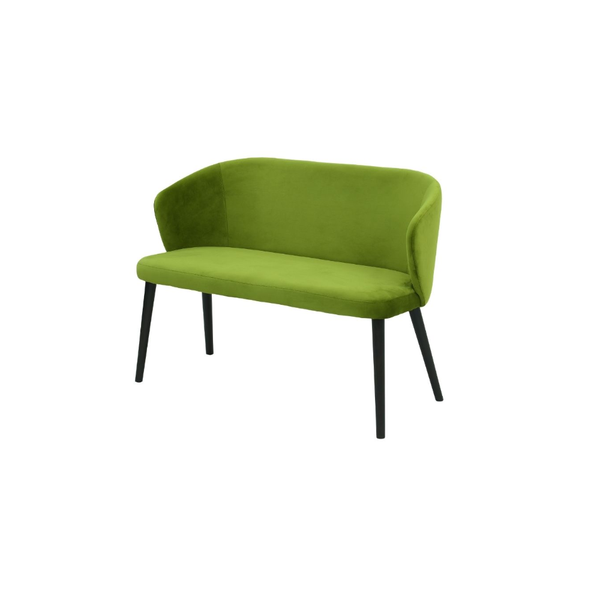
| FLEET SHANGHAI | Dining bench |
| FLEET 65 | High bench |
| RETRO RUMBA | Armchair |
| STUTTGART | 3-seater sofa |
More models can be found under Leather chairs and Dining benches. Tips on choosing are available in Leather dining chairs and Leather bench.

Cantilever chair for the dining room

3-seater sofa, cover of your choice

Cantilever chair for the dining room

Leather high bench
Care: keeping leather beautiful for a long time
- Dust with a soft cloth; wipe with a slightly damp cloth if necessary.
- Stains: dab off immediately, do not rub.
- No aggressive agents: solvents, thinners, acetone, petrol, trichloroethylene, abrasives and chlorine damage the leather.
- Location: avoid direct sunlight and proximity to heaters.
Frequently asked questions
How is leather made?
The raw hide is cleaned, dehaired and fleshed, then tanned, dyed, fatliquored, dried and finished.
What is the difference between chrome-tanned and vegetable-tanned leather?
Chrome-tanned leather is softer and can be dyed more evenly; vegetable-tanned leather is firmer and develops a strong patina.
How long does leather production take?
Depending on the method, from a few days to several weeks; vegetable tanning takes considerably longer than chrome tanning.
What does grain leather mean?
Leather from the upper layer of the hide with an intact grain side. It is more robust and of higher quality than split leather.
Are scars and insect bites a defect?
No, they are signs of authenticity and make every piece of furniture unique.
Discover furniture in genuine buffalo leather
Chairs, benches, armchairs and sofas in Buffalo and Botswana, made to your configuration.